The Green House at Rosebud Theatre – Interview with Playwright Krista Marushy

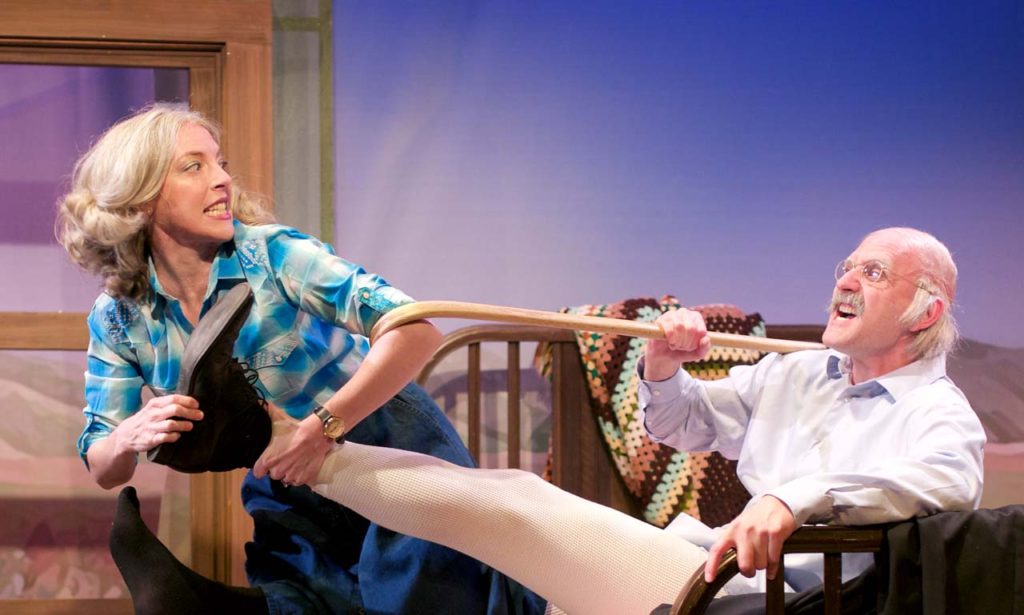
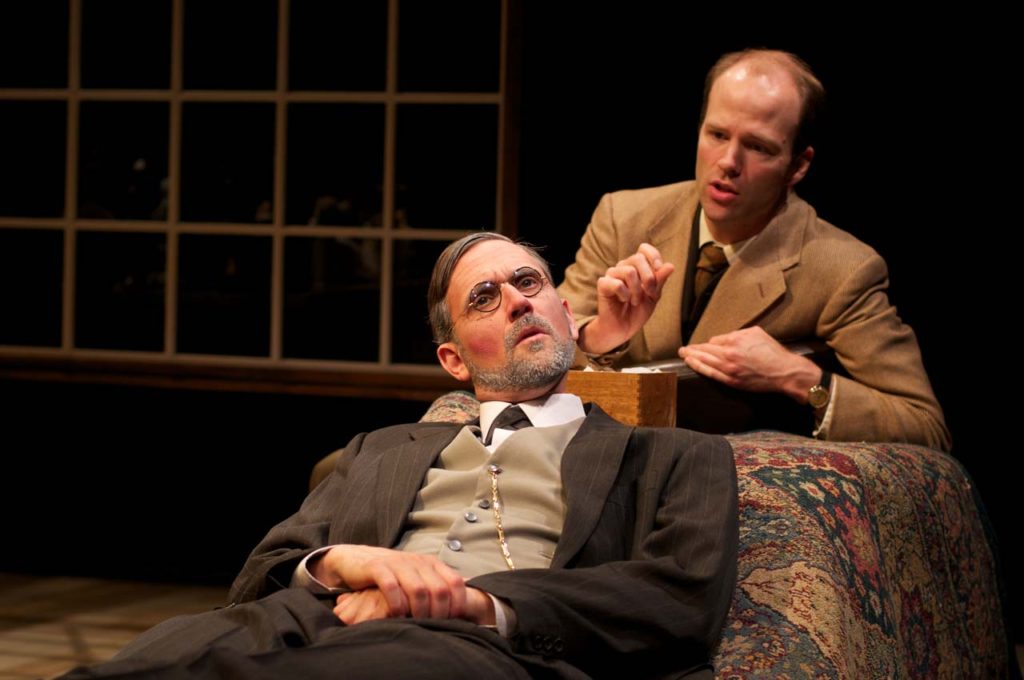
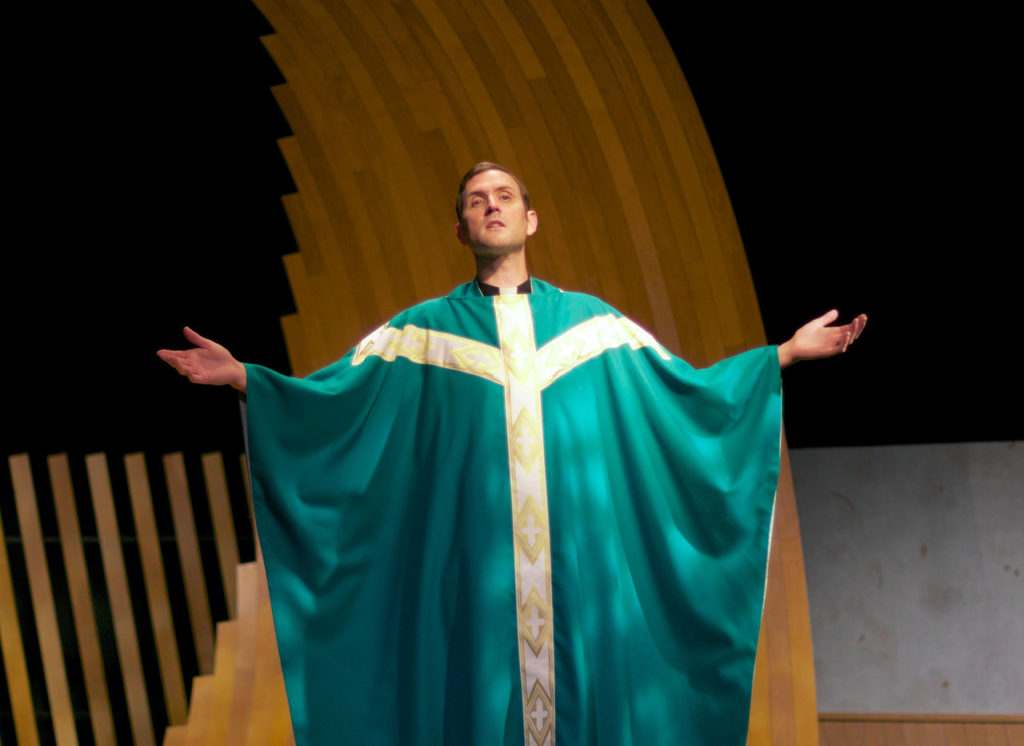
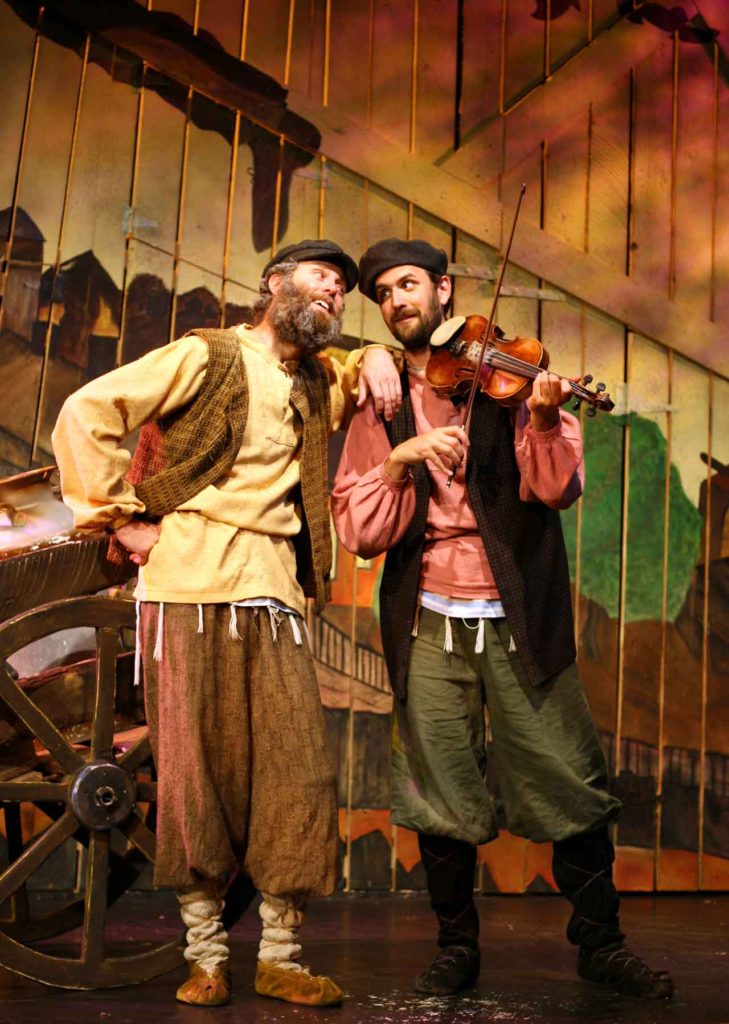
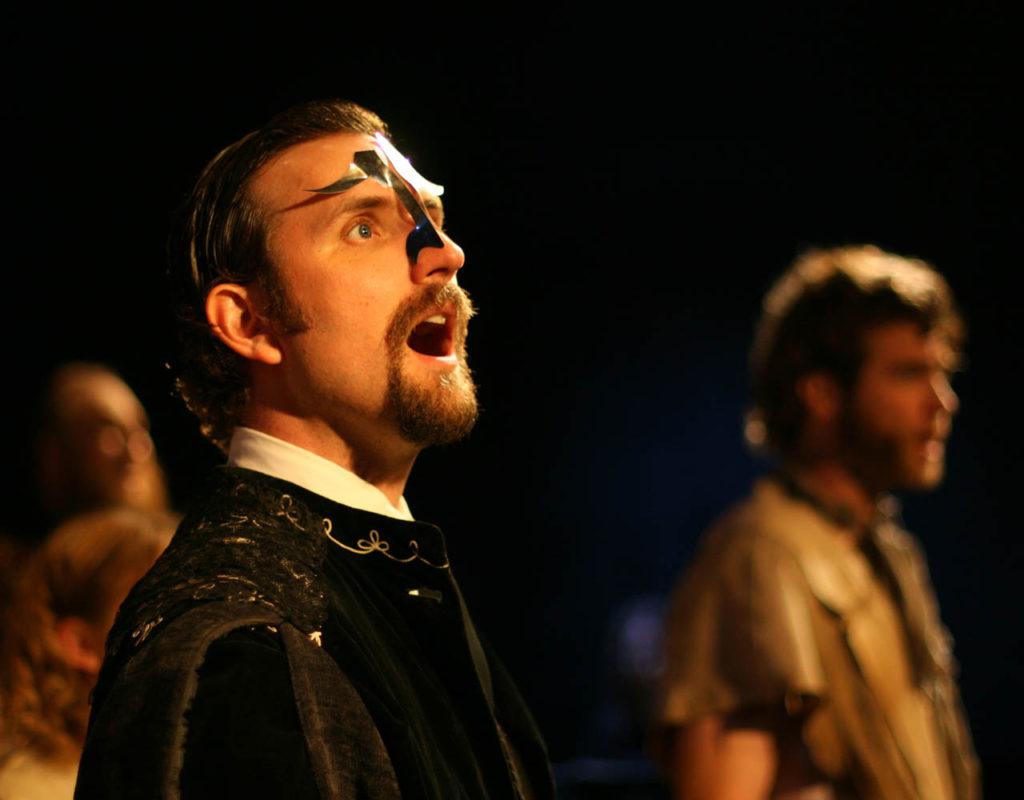
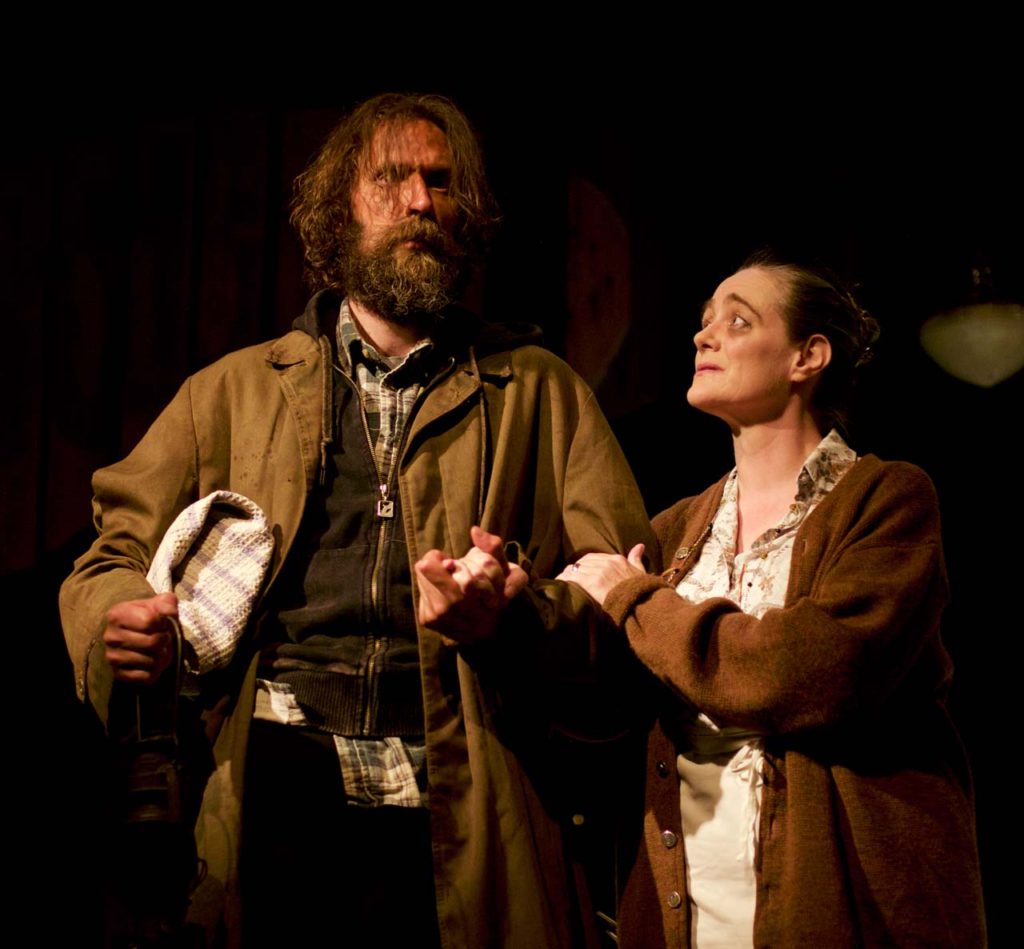
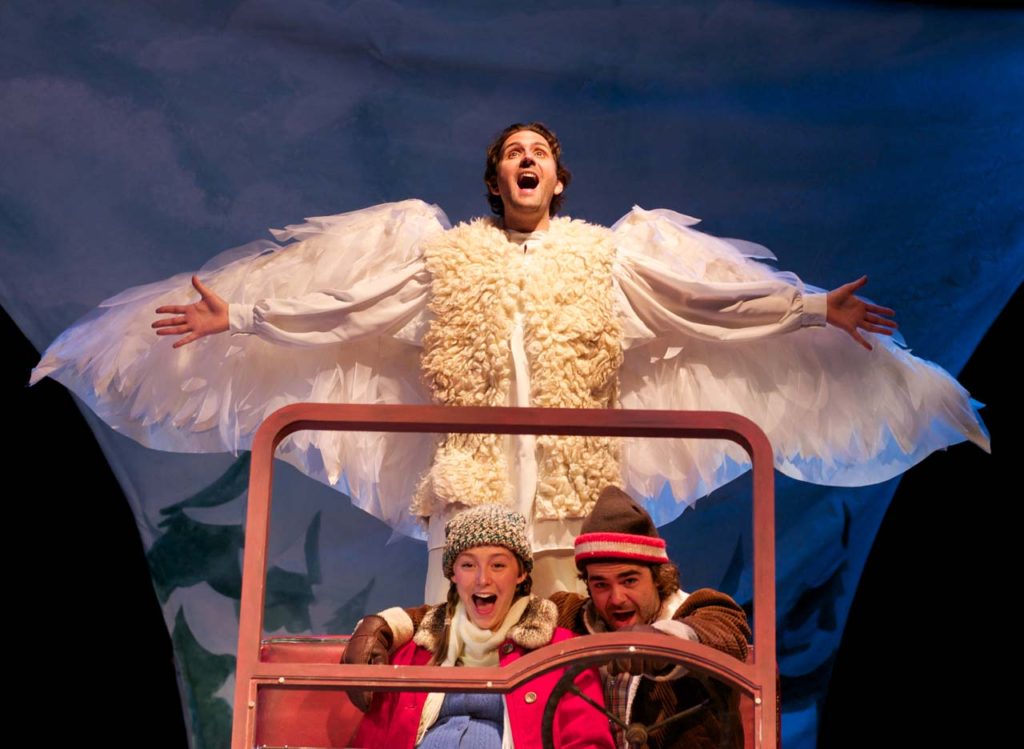
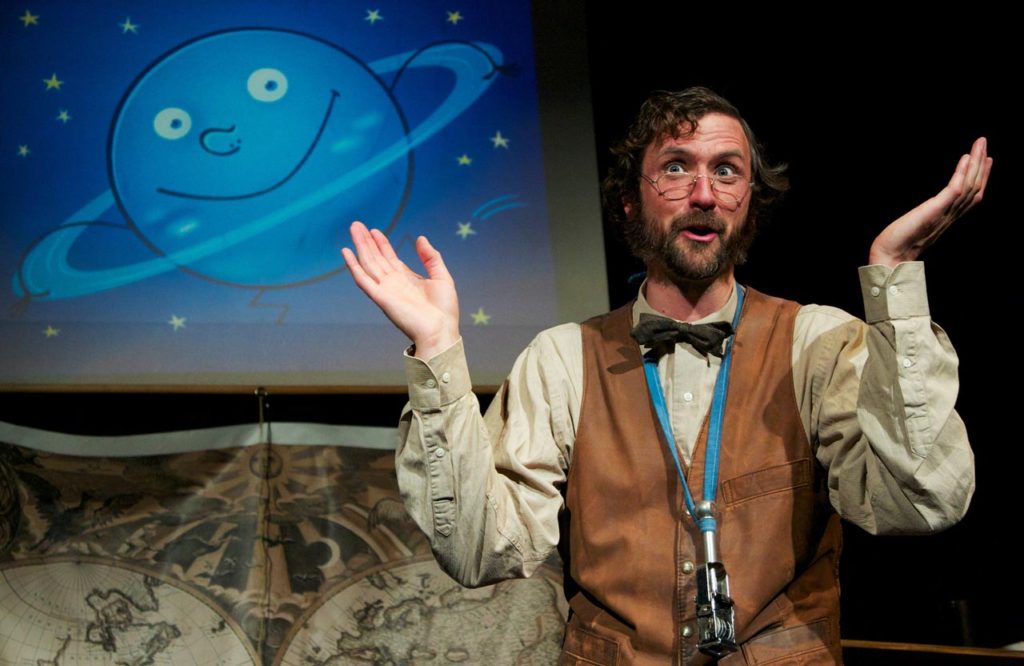
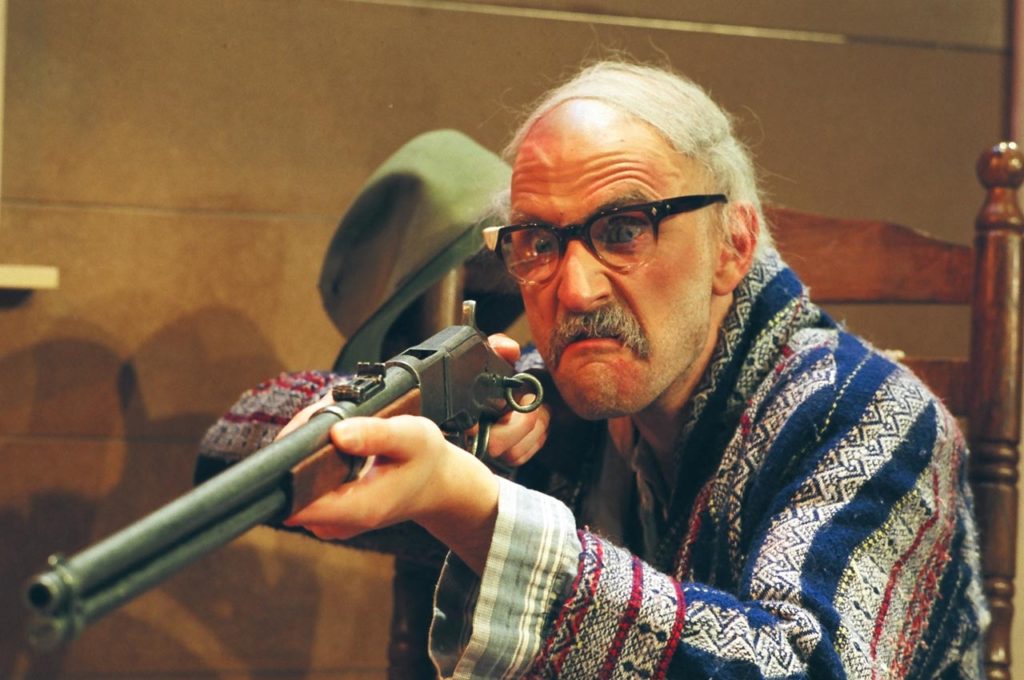
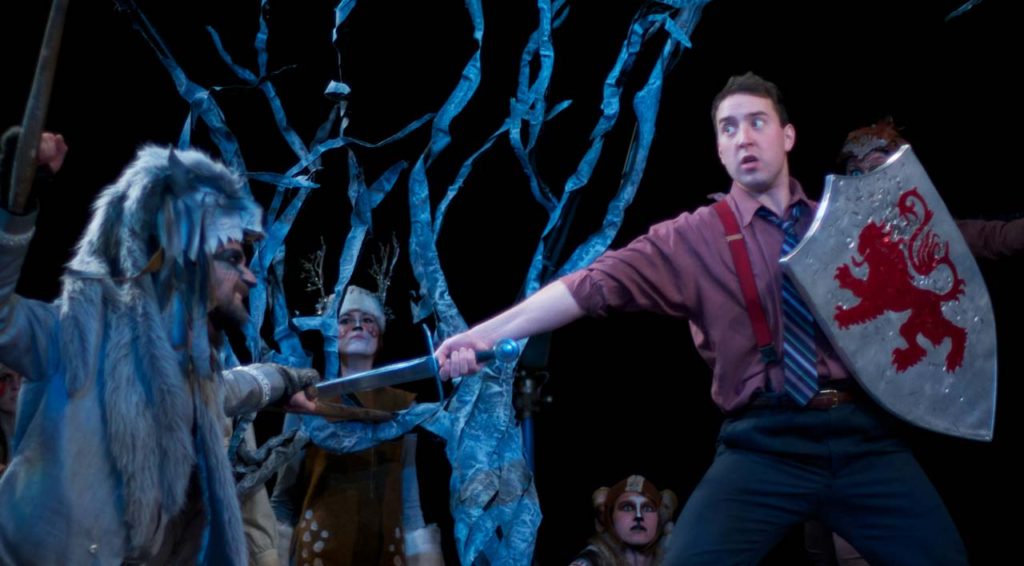
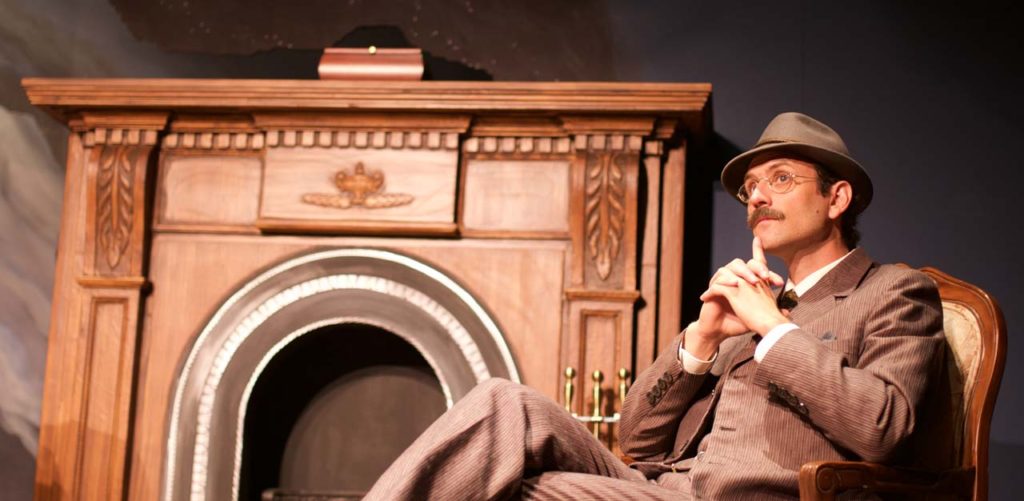
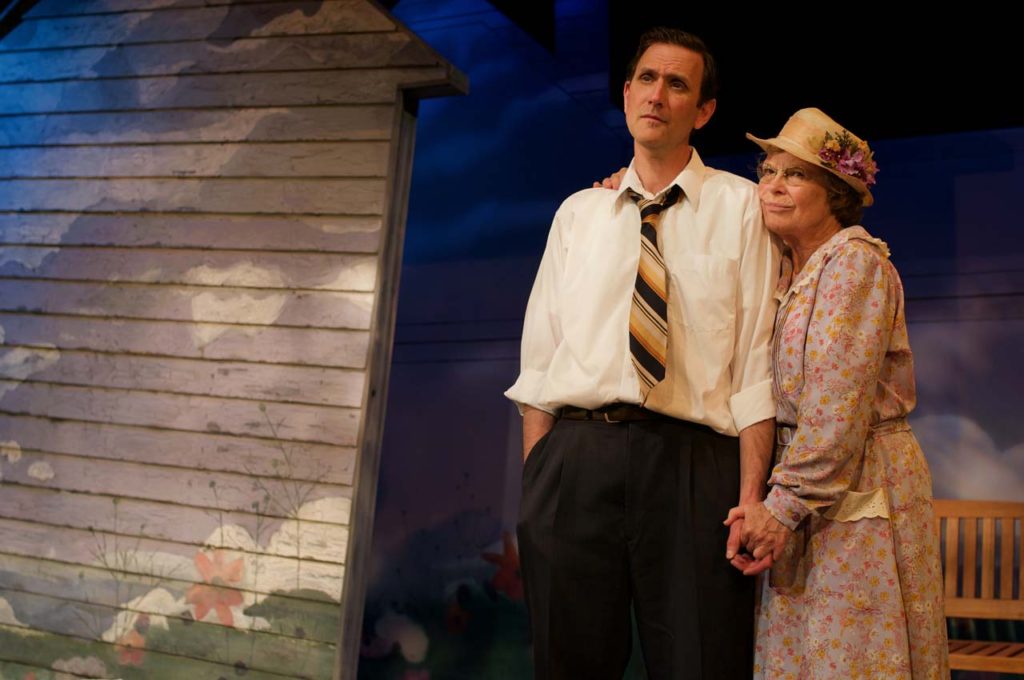
Rosebud Theatre’s The Green House with Kate Corrigan, Heather Pattengale, and Camille Pavlenko.

Rosebud Theatre presents the world premiere of The Green House, a new family drama that explores the changing nature of memory by Alberta playwright Krista Marushy. Tickets can be purchased at www.rosebudtheatre.com or by phone at 1-800-267-7553.

***

The Green House travels through time and memory. In fact, the production is designed in such a manner that it feels like the play is not positioned in any single moment of time but instead flows between the past and the present revealing memories and relationships.

Heather Pattengale plays Susanne our haunted central character as an adult and Kate Corrigan plays the younger feistier version of Susanne known as Susu. In addition to Susu, there’s her roughhousing older brother Jameson played by Matthew Boardman and her domineering mother Kit who is also played by Heather Pattengale. Camille Pavlenko plays the mysterious and reclusive Ava Green who lives on the edge of town in what has come to be known as The Green House. Rounding out the cast is Nathan Schmidt who plays Struthers the peace maker who boards with Kit, Susu, and Jameson.

The Green House is a play that explores the changing nature of memory and how our understanding of ourselves and the people in our lives can be altered and changed as we gain a different perspective on past events. As part of the experience of seeing the play audiences are encouraged, in the program, to ask questions about their own memories and life mysteries and are invited to stay for talkbacks following the Friday evening and Saturday matinee performances.

The Green House is a challenging play to fully explain as doing so would give away too much of the plot however I was able to sit down over ZOOM with playwright Krista Marushy and ask her about the process of writing the play and what it was like to see The Green House reach the Rosebud Theatre stage and go out into the world.

KRISTA MARUSHY

When I started The Green House, I was in graduate school, and we were in a class that had very specific writing prompts and we had three days to execute it. The prompts for this particular play were an article I’d read in the newspaper that day, expressionism, an unreliable narrator, and two characters based on literary characters. And you had no time to think about it. You just had to go with it. The arch of the story was done in three days. And then I spent sixteen years fine tuning the details.

Playwright Krista Marushy

JAMES HUTCHISON

You look at memory and trauma in your play and you also look at it from three different points in time. Often the time periods even overlap within a single scene as actors inhabit characters at different moments in life. How much do you think time influences and alters our understanding and perception of past events and trauma.

KRISTA

I tend to think that feeling affects our memory more than time. So, we store a memory because it impacted us in some way. There are tonnes of things you and I both forget on a regular basis, but we can still remember being embarrassed by somebody in grade two. And there’s a study that came out of Northwestern that talks about how memory is more akin to the telephone game and the more you tell a story the more you remember the retelling than the actual memory. So, that shows how we actually are unreliable narrators of our own life. And as we tell ourselves the stories of why we are the way we are and who we are, and we communicate those to people over the years the story has shifted drastically from whatever the original facts were. That’s the science of it. That’s life.

JAMES

I think when people think about their lives they have these “Aha!” moments and that is a process of looking at a memory and understanding it from a different perspective. And in a sense, that’s sort of what happens in your play – there’s sort of an “Aha” moment where things fall into place that weren’t there before.

KRISTA

Yeah, and I just started writing the story from an intuitive place and then over the years I started to have more empathy for characters who weren’t necessarily the central characters. I think that the journey of the main character is ultimately having more empathy for some people that she originally saw in a limited way. And by revisiting the story and sort of walking a mile in their shoes she is seeing it from an older perspective and finding some empathy and forgiveness for things she didn’t necessarily see or understand at the time.

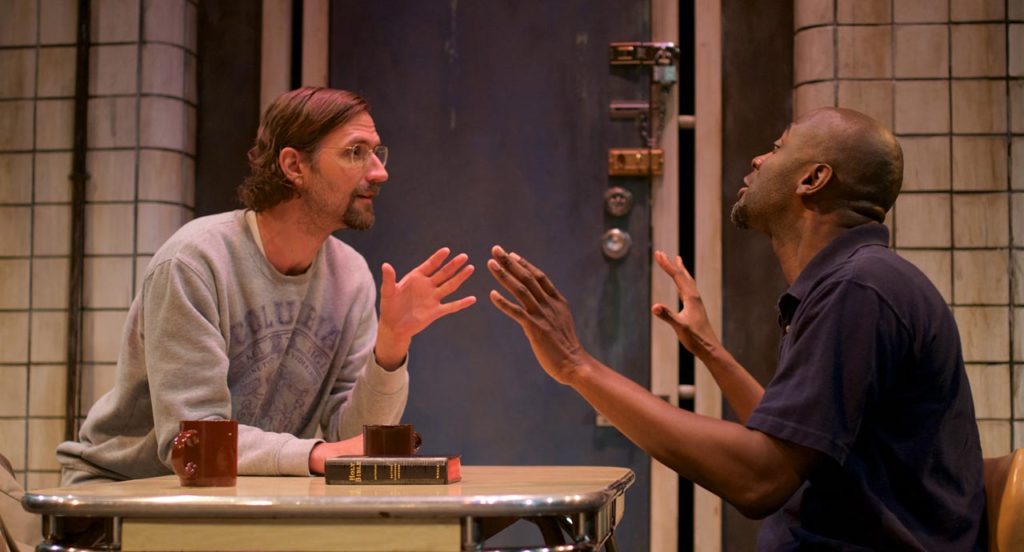
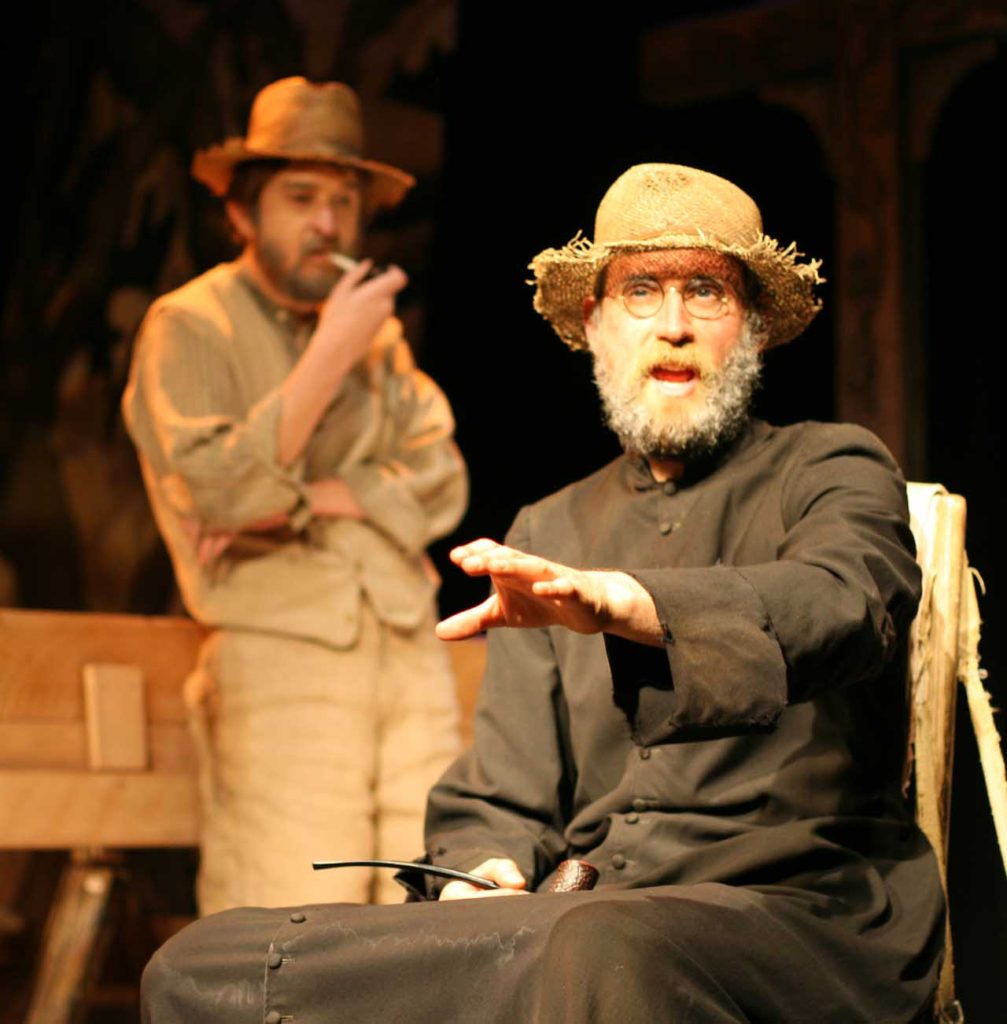
Rosebud Theatre’s The Green House with Matthew Boardman, Kate Corrigan, Heather Pattengale, and Nathan Schmidt.

JAMES

As a playwright you write it, but you need a creative team to put it together and get it on stage. So, lets talk about the creative team. Rosebud has assembled a great group of folks including Craig Hall who is directing the show. And you’ve got an amazing cast including Heather Pattengale, Camille Pavlenko, Nathan Schmidt, Matthew Boardman and Kate Corrigan. This is my first time seeing Matthew and Kate, but I’ve seen all the others many times and seen many shows directed by Craig. Just a terrific team. So, tell me about them and what they bring to the process and final production.

KRISTA

Well, it’s an incredible cast. I knew from the beginning I would be working with two students so that was always part of the deal with Rosebud and their organization. And Kate and Matthew have really done incredible work and I’m really proud of them. And then the three established professionals Heather, Nathan, and Camille of course are all incredible. So, it was a delight to see them bring the story to life.

Craig in particular was really helpful and instrumental especially in the first weeks of rehearsal because he gave such an open playground for the script to develop and I think he just approaches life with a very different brain than me. I’d say he looks at things more strategically and is always looking for clarity in a play that has all these layers of memory and expressionism. And that became a really important anchor for me. It was a really lovely counterpoint to have in rehearsals. Somebody who was simultaneously really generous and really intelligent and really insightful about the script, but someone also asking excellent questions and saying I’m missing something here but doing so very graciously and gently. That was incredibly helpful and necessary for the process of script development and for a first production.

And I feel like from the beginning the cast knew who these people were and they jumped in fully on board and that was an incredible gift to be in day three of rehearsal and feel like – they totally understand who these people are and what this is about and I can sit back and really look at how do we shape the text to heighten and highlight what’s already going on. 

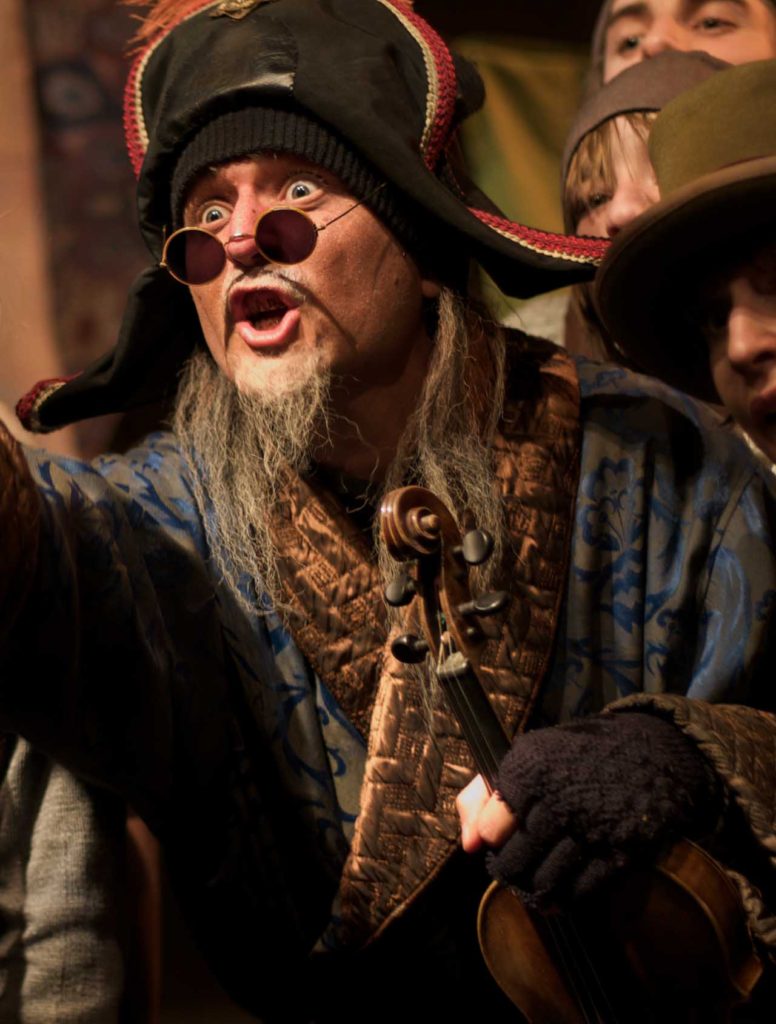
Artistic Director Rosebud Theatre Craig Hall

JAMES

In addition to the actors you have to have a design team and the show is beautiful and the set and the lighting and the sound is absolutely gorgeous and you’ve got Luke Ertman who’s doing the sound design, Dale Marushy – whom you might know – is doing the scenic design, the costume designer is Amy Castro, and the lighting designer is Michael K. Hewitt and they’re all contributing their talents to the production. So, tell me about the design elements and the look and feel of the show in terms of visuals and sound and how that encapsulates and helps tell the story.

KRISTA

I did not speak to the design elements even though I’m married to the set designer. I was like, “Don’t show me. I don’t want to know.” Because I knew he would do beautiful work, and I didn’t want to invade that process at all. I think the design team went wild in a beautiful way and I hope they were inspired. I think it was really important to have a set in a world that could constantly be shifting but you still feel grounded. So, things like transparency and visibility are important design elements and are themes in the show. And it feels like everything has an emotional texture and the design of the show gives a sense of time without restricting us and gives the story so much ability to move and transform and go from one place to another without any delay.

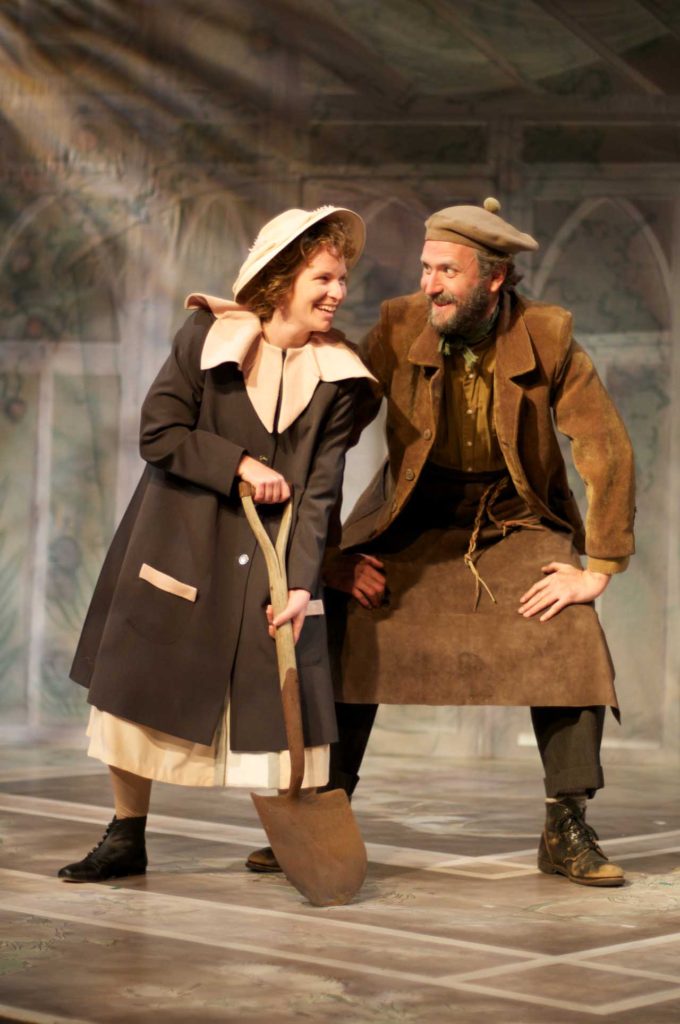
Rosebud Theatre’s The Green House with Kate Corrigan, Heather Pattengale, and Camille Pavlenko
Rosebud Theatre’s The Green House with Kate Corrigan, Heather Pattengale, and Camille Pavlenko.

JAMES

You’ve been working on this play since 2009 and now here we are sixteen years later. When you saw the play on opening night what sort of thoughts went through your mind and what sorts of emotions did you go through as you watched the play come to life and go out into the world.

KRISTA

Well, first of all I will say though I’ve been working on this play for sixteen years I also had three children in that period, so it wasn’t like I was just typing away.

JAMES

So, you were producing a lot is what you’re trying to say.

KRISTA

Yeah, I had a lot of other productions during that time. So, yes, it’s been a long incubation period, but the essential story is still really close to what it’s been since the beginning. And I just have so many mixed feelings. It’s exciting. It’s vulnerable. It’s thrilling. There’s stuff I still want to fix because I’m a bit of a perfectionist. But you get to a place where you are excited to share it with the world, and I’m dazzled by the design and the creative team. There are so many feelings I have and then I also feel vulnerable because I don’t know if anyone is going to be into this. I feel like I took lots of creative risks and so I feel the trepidation of that, but I also feel really proud of that. Because I think that’s the kind of artist I want to be. Someone who takes a big swing and everything may not land but I’m really proud of the work.

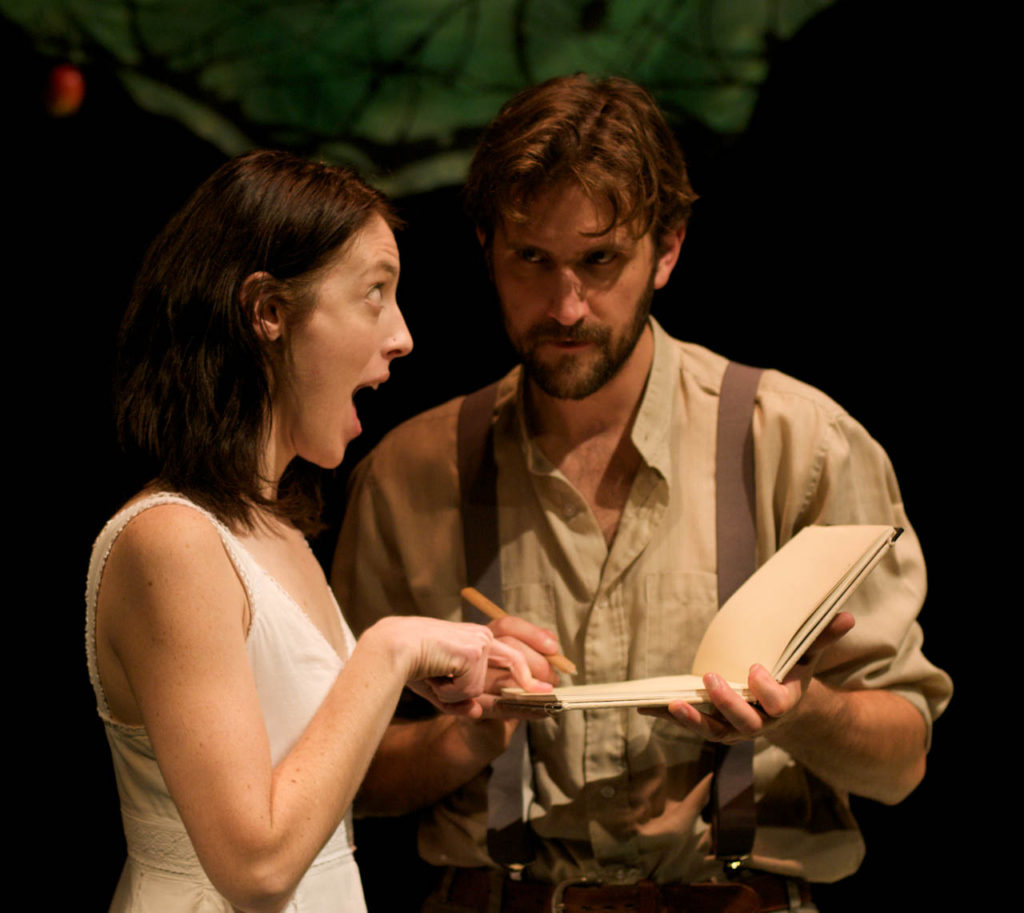
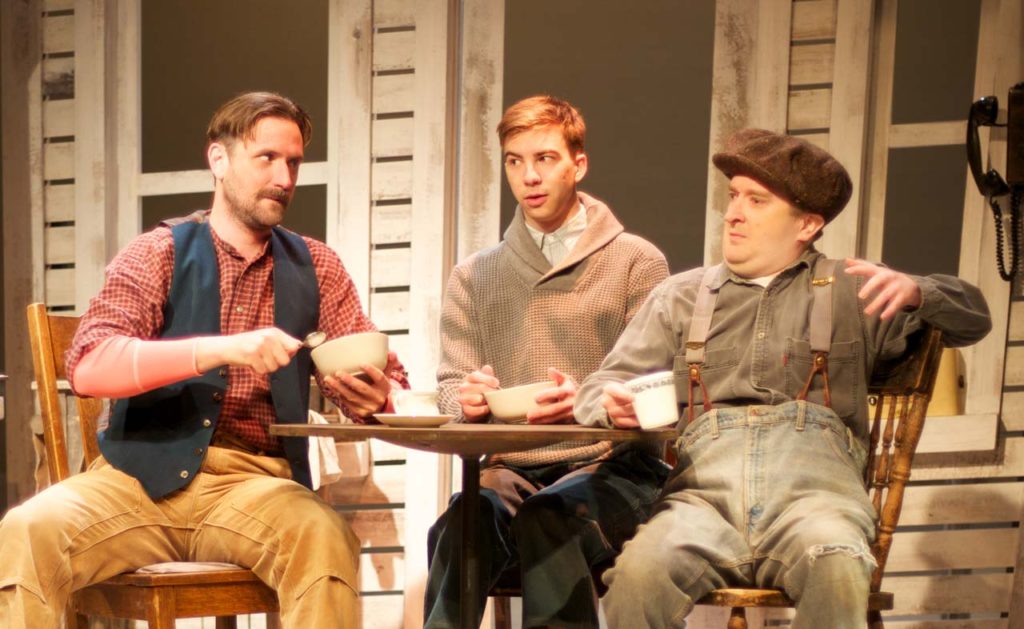
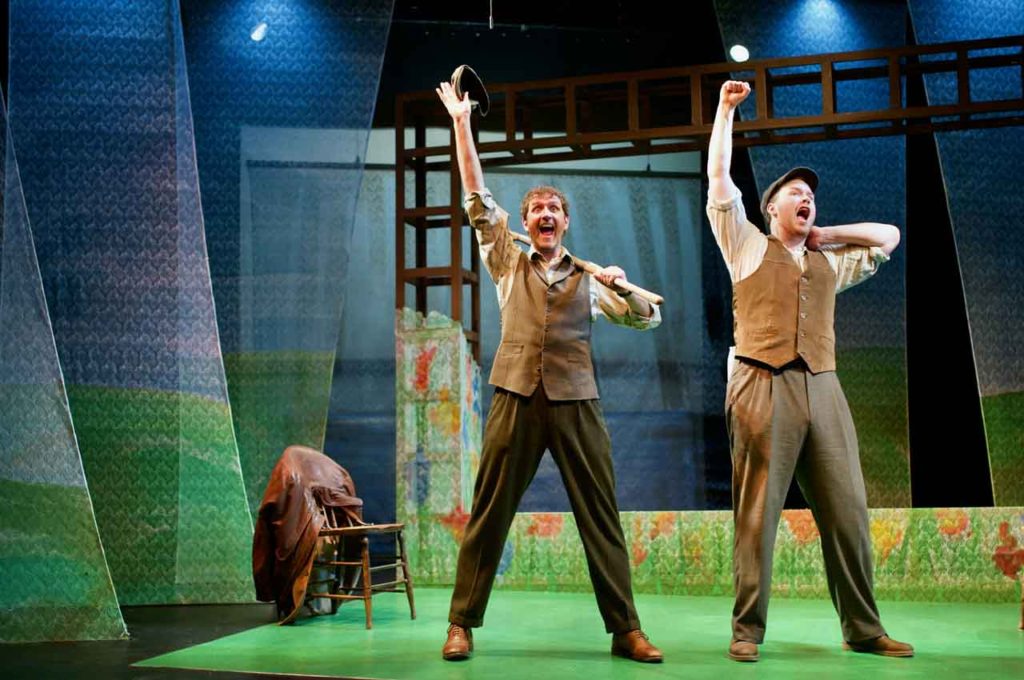
Rosebud Theatre's The Green House with Kate Corrigan and Matthew Boardman.
Rosebud Theatre’s The Green House with Kate Corrigan and Matthew Boardman.

JAMES

So, why should people head out to Rosebud to see your play? The Green House. What are you hoping audiences can take away from the experience?

KRISTA

I think it’s a really original story. I think they will be surprised. And I think it’s also about having greater empathy and understanding for yourself and for your memories and for your own family. And also, it’s funny. However much it’s serious there’s a lot to laugh at. And I think the artists in Rosebud are doing phenomenal work. And hope is at the centre of this story and forgiveness and empathy and so I hope that it just increases people’s capacity for understanding themselves and the people around them and I hope they have a good time. I think they will.

JAMES

And with Rosebud you do get Chef Mo’s delicious buffet.

KRISTA

Yes, you get a good meal. A feast.

JAMES

Something for the stomach as well as something for the mind and the heart.

KRISTA

Exactly.

***

The Green House is a play about memory, empathy, and forgiveness featuring a stellar cast that shows how revisiting the past can alter our view and understanding of the present. The play not only invites audiences to experience Susanne’s journey and transformation but to also reflect on the stories we tell ourselves about the past.

Which brings to mind that each encounter with a production is a personal experience. We never come to the theatre in a completely neutral mind. That’s impossible. We are always at any moment an emotional and physical representation of where life has brought us up to this point in time. A year from now I’ll be a different person. A year ago, I was a different person. How much variation between who I was and who I will be depends on a multitude of factors.

So, our health and emotional and financial well being as well as the epoch in which we live influences how we think and react and interpret what we see and experience. And a big part of me is feeling rather exhausted mentally, physically, and spiritually at the moment.

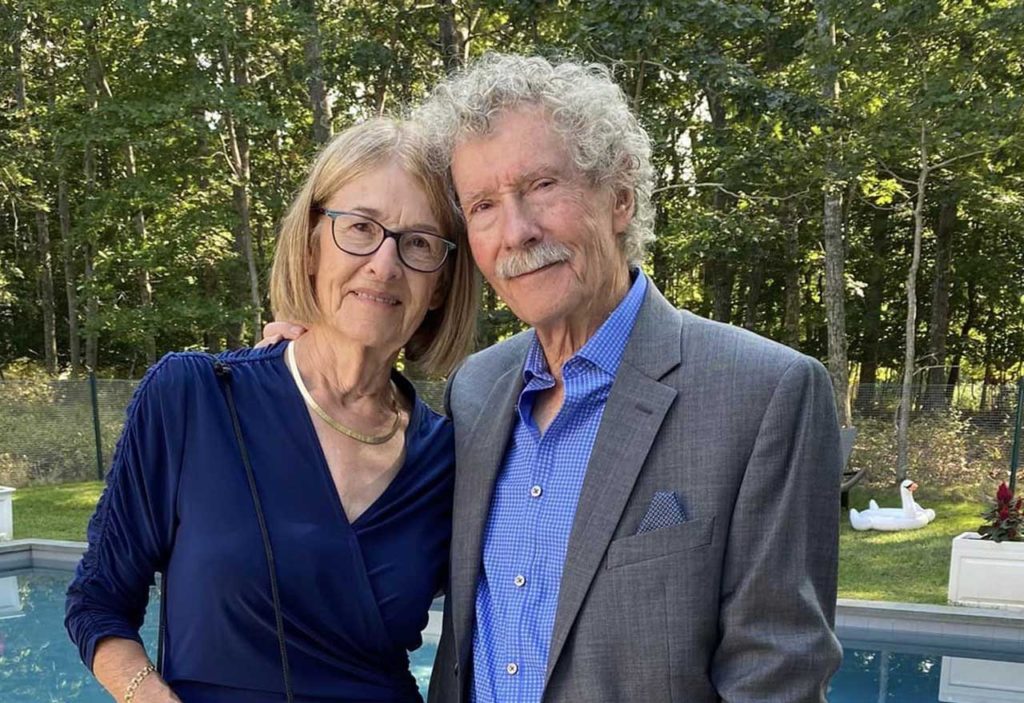
Graham and James in Rosebud on September 20, 2025 looking forward to some good food and engaging theatre.

So, I’ve come to the theatre in need of nourishment. I need something to engage my mind and lift my spirits. And by that I don’t mean I need comedy. Even though I love comedy. What I need at the moment is engagement. I’m looking for a story that will reveal some truth about this journey we all find ourselves on. And so, with all that in mind I have to say I enjoyed my journey out to Rosebud and my encounter with The Green House and the discussions I had with my son, Graham, after we saw the show.

You can catch The Green House at Rosebud Theatre until Saturday October 25th with matinee performances from Wednesday to Saturday at 1:30 pm and evening performances on Friday and Saturday at 8:00 pm. Tickets can be purchased at www.rosebudtheatre.com or by phone at 1-800-267-7553.

Elvis is Dead - Title Card

Magic Lies: An Evening with W.O. Mitchell – Interview Orm Mitchell
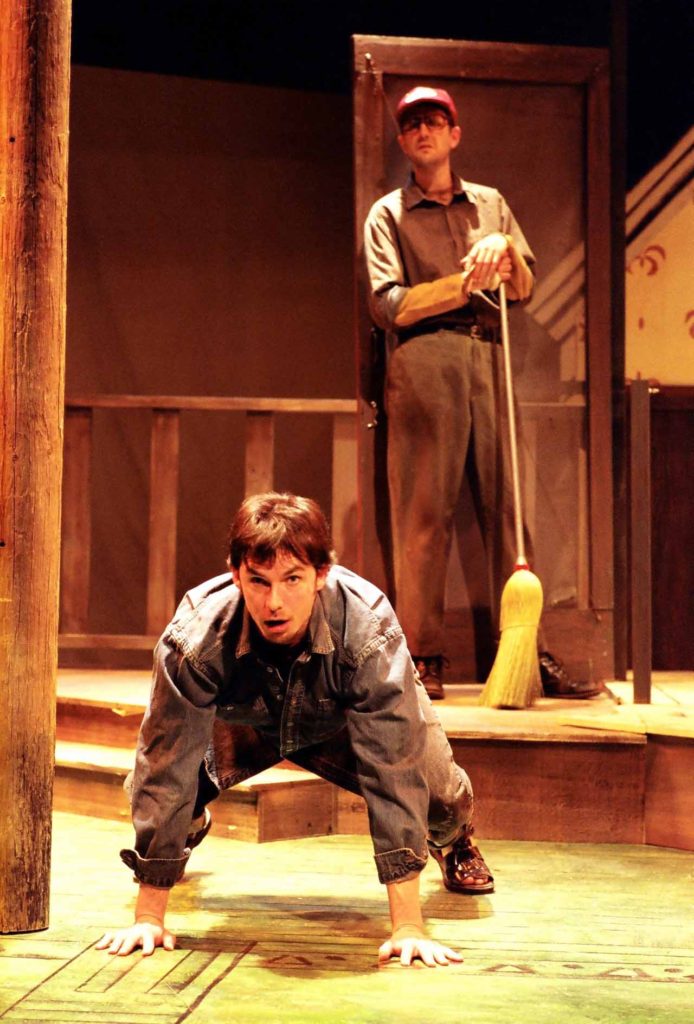
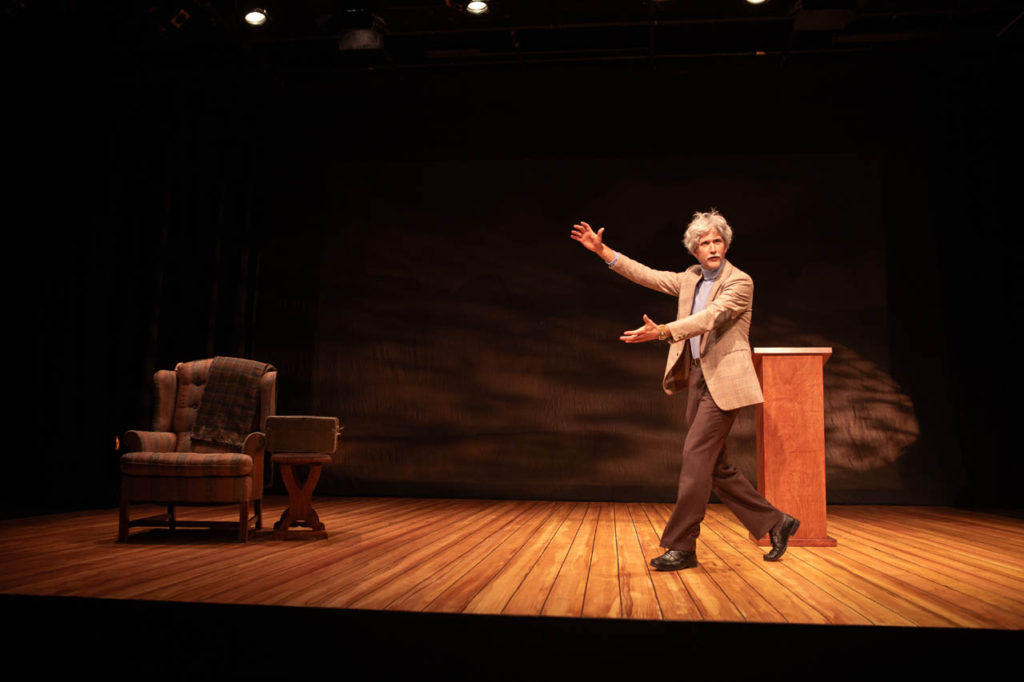
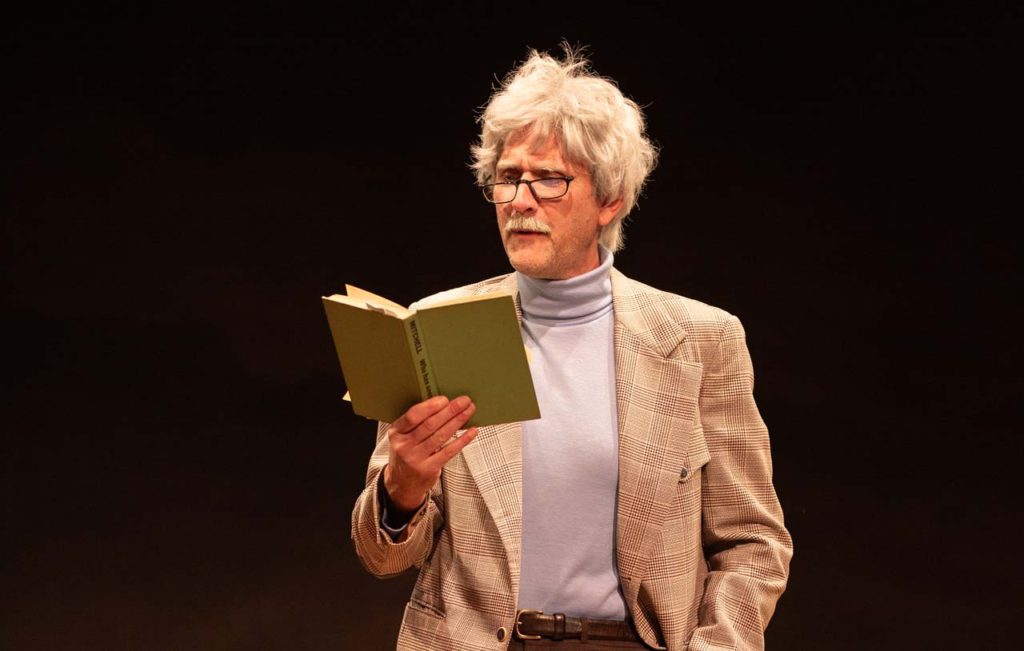
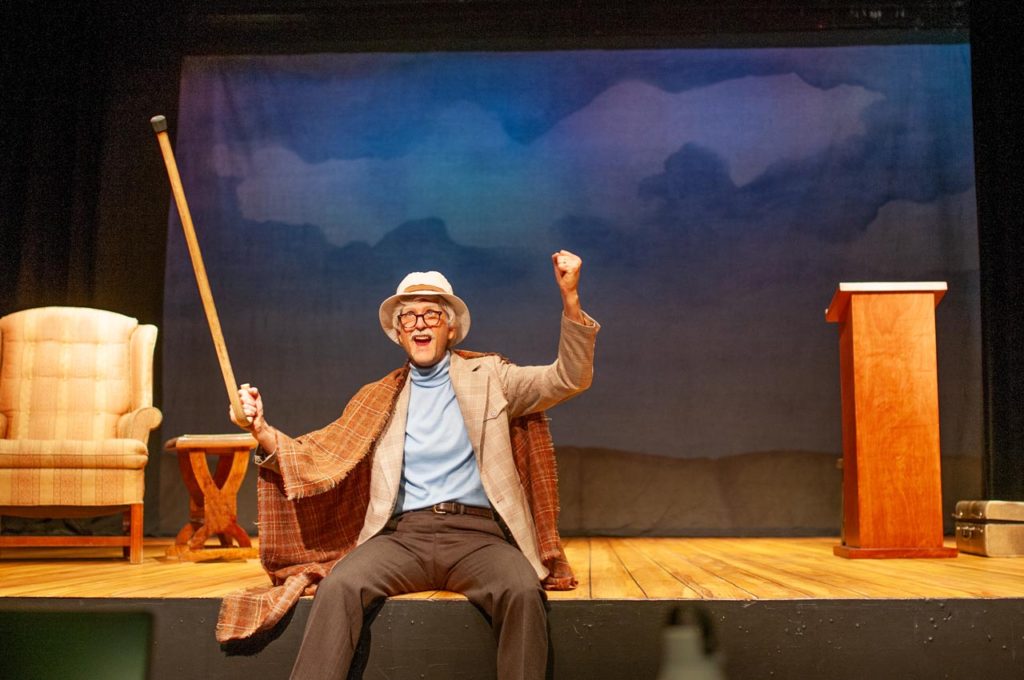
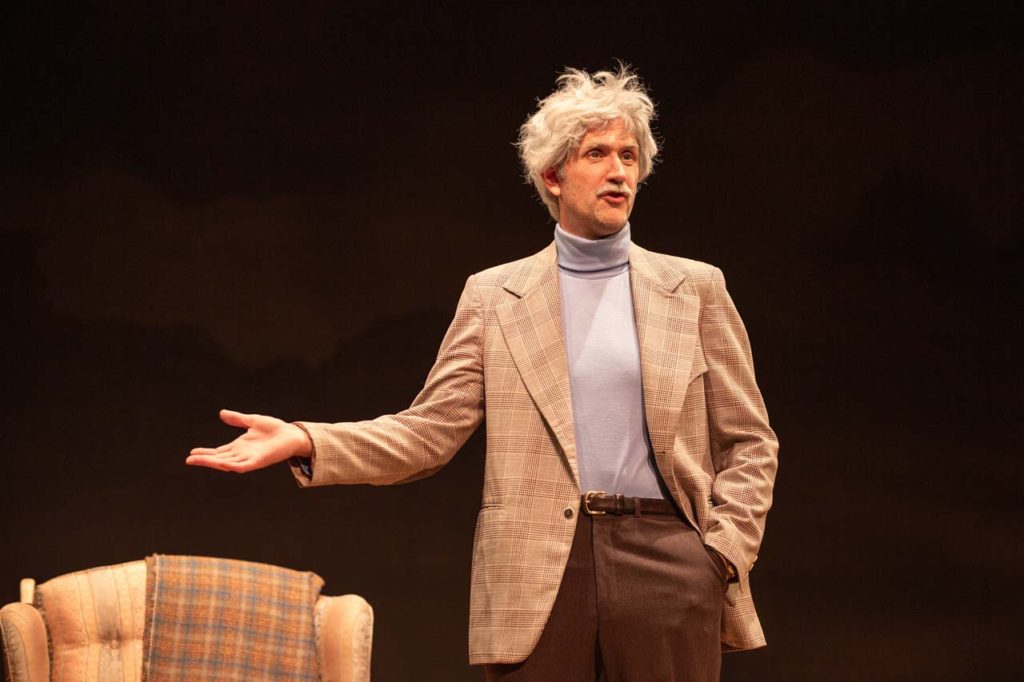
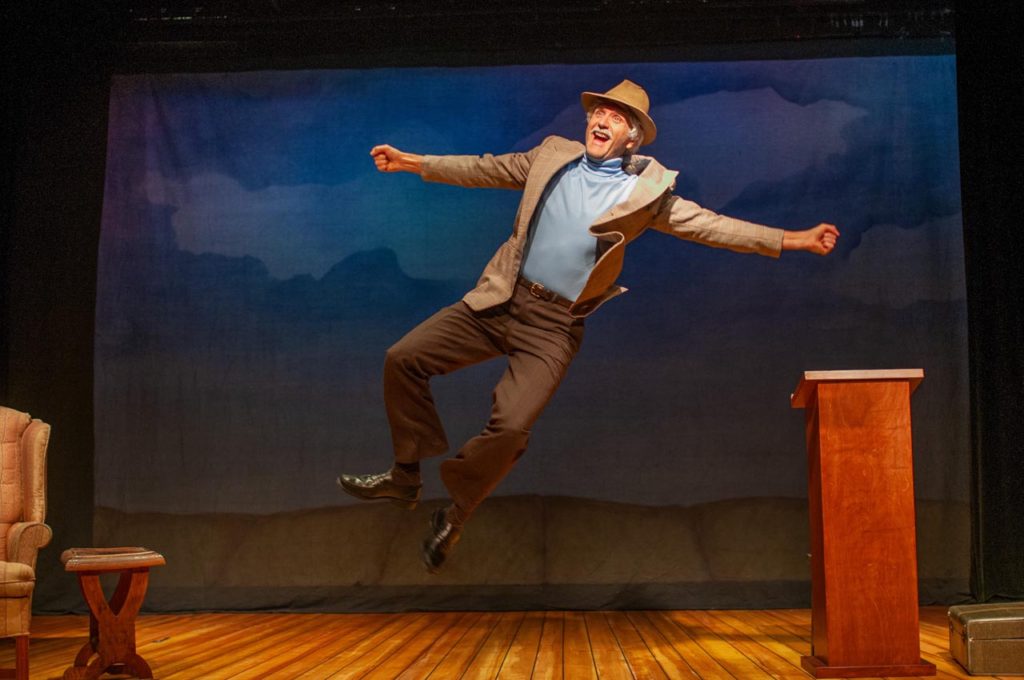
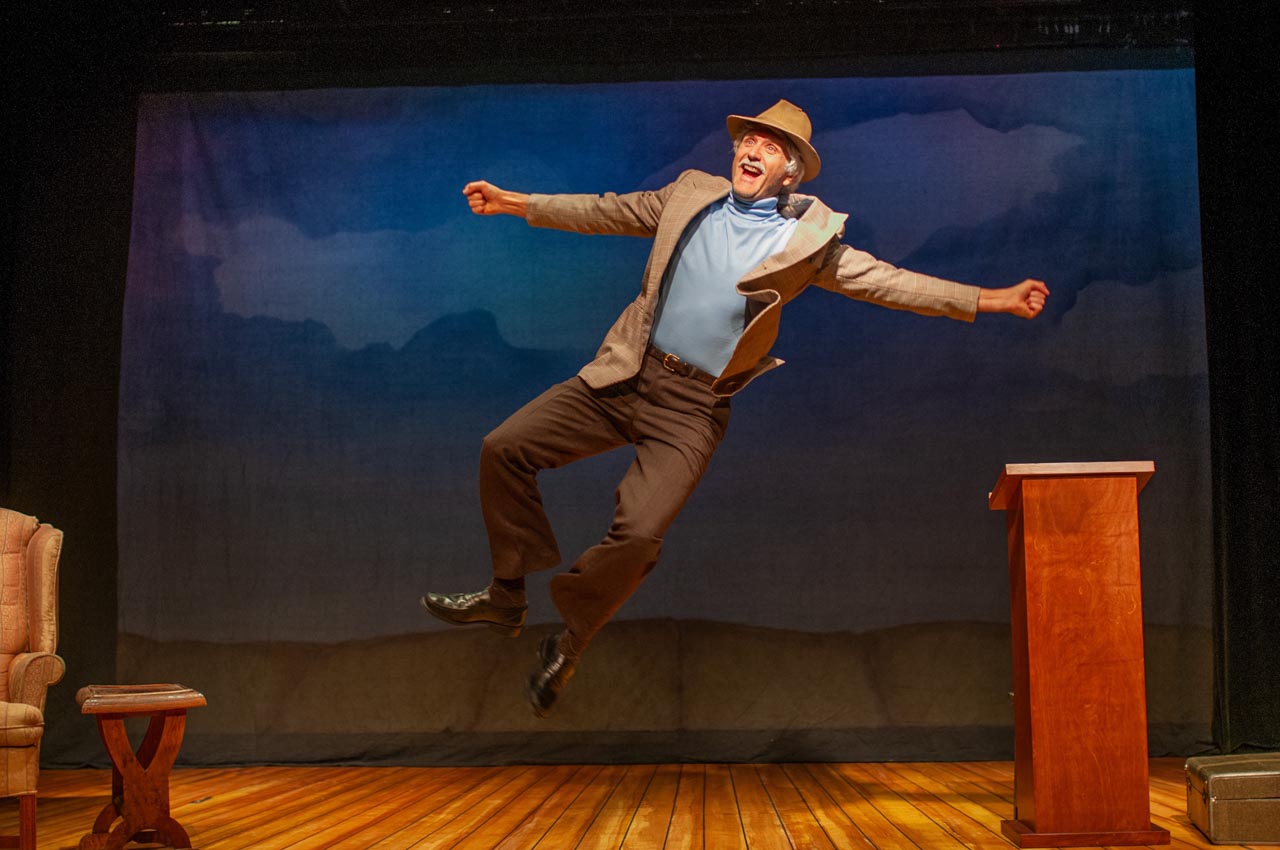
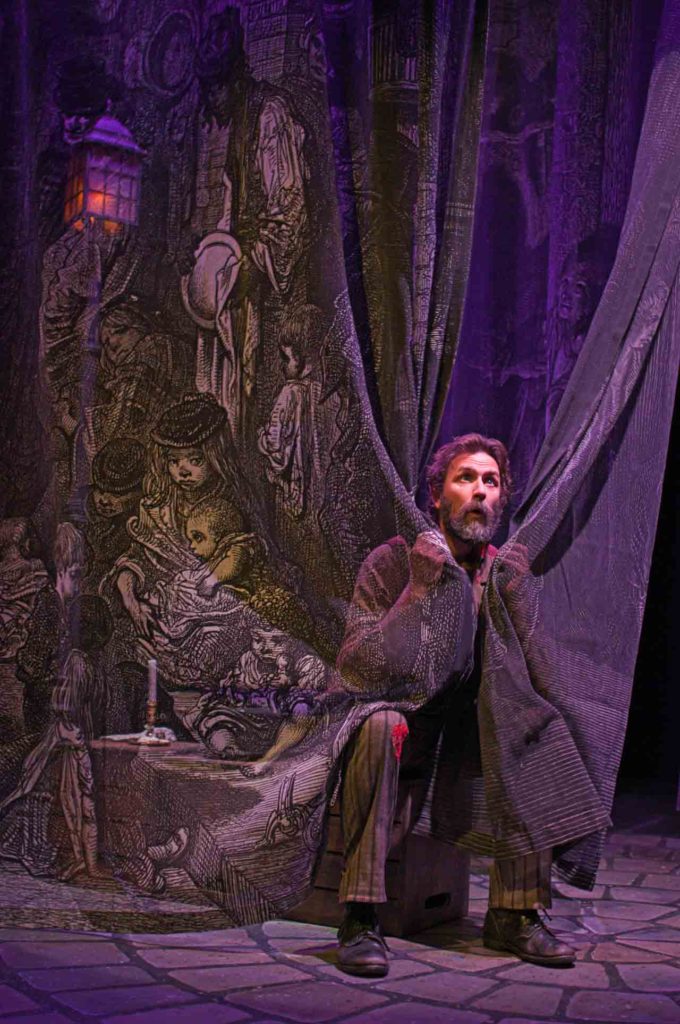
Nathan Schmidt as W.O. Mitchell in the Rosebud Theatre production of Magic Lies: An Evening with W.O. Mitchell.

Magic Lies: An Evening with W.O. Mitchell is a joyful, fun, and feel-good night at the theatre all brought to life on the Rosebud Theatre’s Opera House stage in a brilliant performance by Nathan Schmidt. 

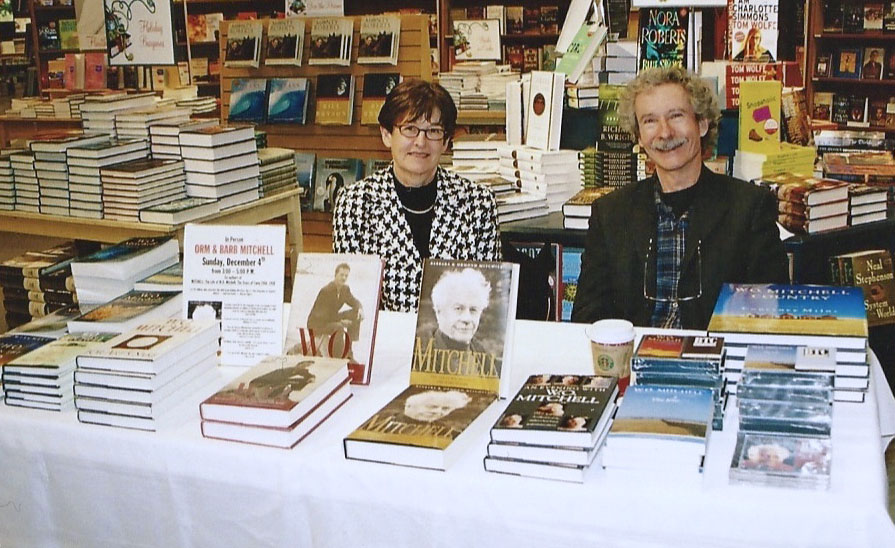
Based on the works of W.O. Mitchell and penned by his son and daughter-in-law, Orm Mitchell and his wife Barbara, the play weaves together an entertaining and insightful script that travels between Mitchell’s fiction and the story of his life.

Mitchell was a writer, performer, and teacher who is best known for his 1947 novel Who Has Seen the Wind. The novel beautifully captures small-town life and the world as seen through the eyes of a young Brian O’Connal growing up on the Saskatchewan prairie. Mitchell is also known for his Jake and the Kid stories which were popular radio plays during the 1950s. No stranger to the stage himself W.O. Mitchell was a storyteller who performed his one-man shows across Canada and penned several plays for the stage including The Kite, The Devil’s Instrument, and The Black Bonspiel of Wullie MacCrimmon

I contacted Nathan Schmidt to talk with him about the production and the challenges of performing a one-man show. You can read that interview by following the link above. I also spoke with Orm Mitchell to talk with him about his father’s work and the journey Magic Lies: An Evening with W.O. Mitchell took to reach the stage.

JAMES HUTCHISON

Orm, every literary work takes a journey from idea to finished work. Tell me a little bit about the journey that Magic Lies: An Evening with W.O. Mitchell took to reach the stage.

ORM MITCHELL

Well, it’s a journey that took close to twenty-six years. My father had prostate cancer so his last three or four years were not pleasant. He was in a hospital bed in the family room on the first floor of the house in Calgary and he was withdrawing more and more. And Barb and I wanted to keep him engaged. So, we suggested, why don’t you do a collection of your performance pieces that you’ve done over the years in your one-man shows? And he loved the idea. So that came together in a book called An Evening with W. O. Mitchell.

And as soon as that came out, two people came to us who wanted to use that book and turn some of the pieces into a one-man stage show, but Eric Peterson who they wanted to do the piece said he felt uneasy about doing this while a living author is still around and especially an author who has really put his distinctive stamp on the pieces.

There were other people who came to us over the years, and we were always in the role of acting as script consultants. And it never really got off the ground. So about 2008, Barb and I decided we’re going to write this ourselves. We did a really thorough rewrite and we sent it out to Theater Calgary and a few other places, but no one bit. So, we put it in a drawer and forgot about it.

Then during COVID, we realized that theatres were going through a very rough time. They couldn’t have an audience. There was no money coming in. And we’ve been really fond of Rosebud Theatre because they’ve produced W.O. Mitchell’s plays. They did Jake and the Kid, and they did The Kite twice, and we’d heard how wonderful Nathan Schmidt was playing Daddy Sherry in The Kite.

And so, I wrote to Morris Ertman the artistic director of Rosebud and said, “Look, Barb and I were thinking of making a donation to you guys because we know all theatres are struggling and we came up with what might be a better idea. Why don’t you do this one-man show and use Nathan Schmidt because we hear he’s been wonderful. And it’s inexpensive. It’s one person. You can stream it. And you might be able to get some income from streaming it during the COVID years.”

And I never heard back from Morris until about a year ago, July. And he said, “Orm, could you send me that script? I seem to have lost it.” And so, I sent it to him, and we saw him last November and he said, “I have decided to do this show and to use Nathan Schmidt.” It was close to twenty-six years from when the idea first came up to finally getting it on the stage.

JAMES

You call the play Magic Lies: An Evening with W.O. Mitchell and I’m curious about the choice of title. Why did you choose Magic Lies? What’s the significance behind that?

ORM

That’s one of his favourite phrases. And he always used to say when people asked him about his creative process and his stories that every bit is the truth. What he meant by that was that he was a very observant watcher of the world, and he would pick up bits and pieces of people or details of landscape.

And I remember he used to tell his writers in his writing groups that you have to draw on your own autobiographical experience and find images, bits and pieces of sensuous detail, and you have to appeal to your reader’s sense of smell, taste, and touch. You’ve got to make them see something that you are describing. You’ve got to make your reader smell what it is that you are describing. All of those sensuous details that he collects and puts together to form and create that illusion of reality draw the reader into the story. So, every bit is the truth, but the whole thing is a lie. A magic lie. It’s a magic lie because it’s the catalyst that helps a reader explore consciously and unconsciously various universal human truths.

JAMES

What do you think your father’s reactions and musings would be if he was able to see himself portrayed on stage?

ORM

My father was a master at timing, and he really admired an actor who had that sense of timing. You know someone who pauses in the right places and lets the audience into the story with those pauses. He was once told by someone when he was doing an acting role, “Bill, you’re overdoing it. It’s like an orange. Don’t squeeze all the juice out of the orange. Leave some there for the audience.” It’s a lovely metaphor for an actor who knows not to overdo it. And Nathan was just so good at that, and my father would have admired that.

JAMES

It takes a lot of discipline to put in the pause.

ORM

It’s a wonderful storytelling technique. And Nathan did this beautifully. In the story in which the boys blow up Melvin’s Grandpa in the back house when the dynamite goes off Nathan as W. O. stops and looks at the audience and takes out his snuffbox and he takes a piece of snuff and the audience is hanging there. Okay, the dynamite has gone off. The old man is in the back house. What happens next? And it is a lovely long pause, and then Nathan as W.O. looks at the audience and says, “Let me tell you something about dynamite.” And the audience just loved it.

The other thing my father would have admired was Nathan the actor has to make the role his own. He can’t just mimic my father. He uses bits and pieces of W.O. but at the same time the storytelling if it’s going to be effective – if it’s really going to zing with the audience – Nathan has to make it his own. By opening night he had made it his own and as the show goes on that role will more and more become his, and I think my father would have recognized that and would have admired that very much.

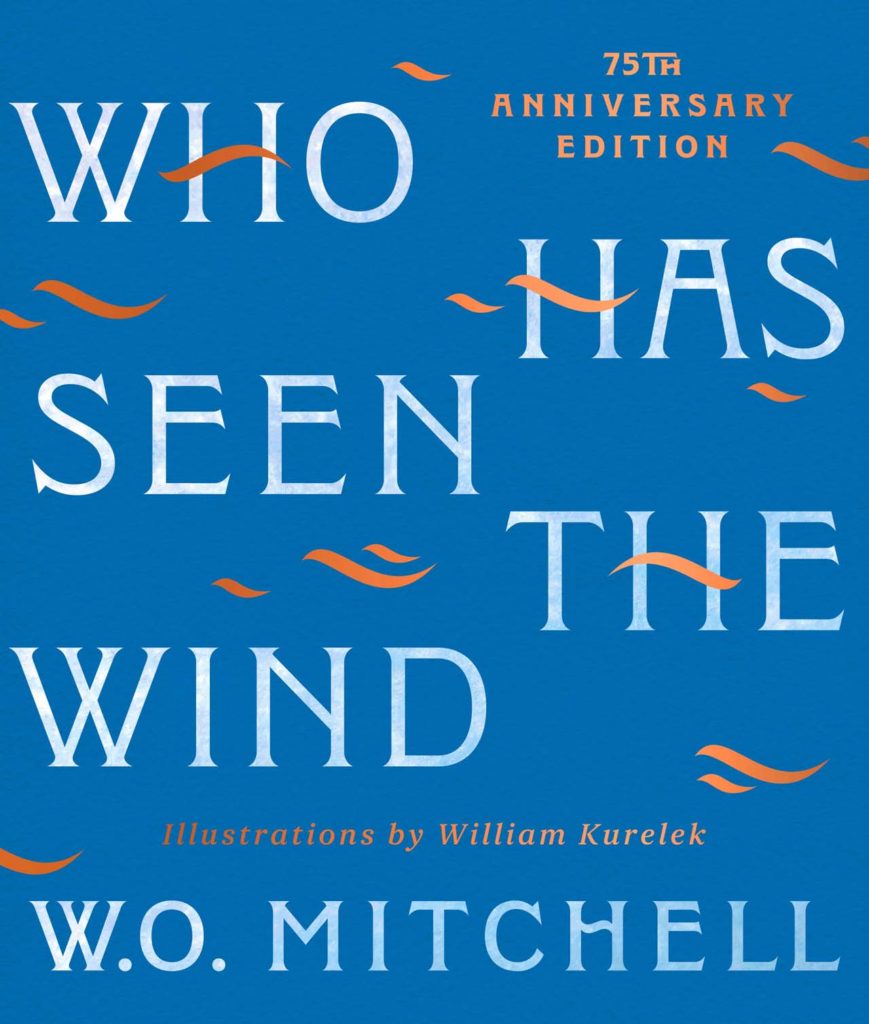
75th Anniversary Edition of Who Has Seen the Wind by W.O. Mitchell. Illustrated by William Kurelek. Available from Freehand Books.

JAMES

Let’s talk a little bit about Who Has Seen the Wind your father’s best-known work. It was published in 1947 and was an immediate success. And at the time the Montreal Gazette said, “When a star is born in any field of Canadian fiction it is an exciting event…Here in this deeply moving story of a Western Canadian boy, his folk and his country, emerges a writer whose insight, humanity and technical skill have given the simple elements of birth and death, of the inconspicuous lives of common man etched against the bleak western landscape, the imprint of significance and value.” Why do you think this book and this story resonate so deeply with its readers?

ORM

Here you have a book that is set in the prairies during the dirty thirties. It’s very specific. One of the things that critics in Canada used to say was, “Who cares about Canada? Who cares about a story where Bill and Molly meet in Winnipeg and fall in love?” W.O. was one of the first, if not the first writer, to put the Saskatchewan Prairie and the Alberta foothills on the literary map.

But then the corollary to that is you want people whether they are in London England, or Australia, or China or wherever they are to read that story, and you want that story to come alive for them. It’s what Alistair MacLeod used to say, “When you write your stories about a specific place and characters you want to make them travel.” I love that line. You want to make them travel. Who Has Seen the Wind sure as hell travelled. It has been translated into Chinese. And it has been translated into South Korean. It has sold over a million copies in Canada, and I think it will continue to travel.

One of the reasons why I think it travelled is that my father was wonderful in understanding the child’s world. He was really good with kids, and he managed in Who Has Seen the Wind to get inside the head of a kid in a way that has rarely been done. He manages to dramatize how Brian a four – five – six – seven – up to eleven-year-old looks at the world – and that’s universal. He managed to create characters and in particular Brian looking at the world in a way that resonates with readers all over the world.

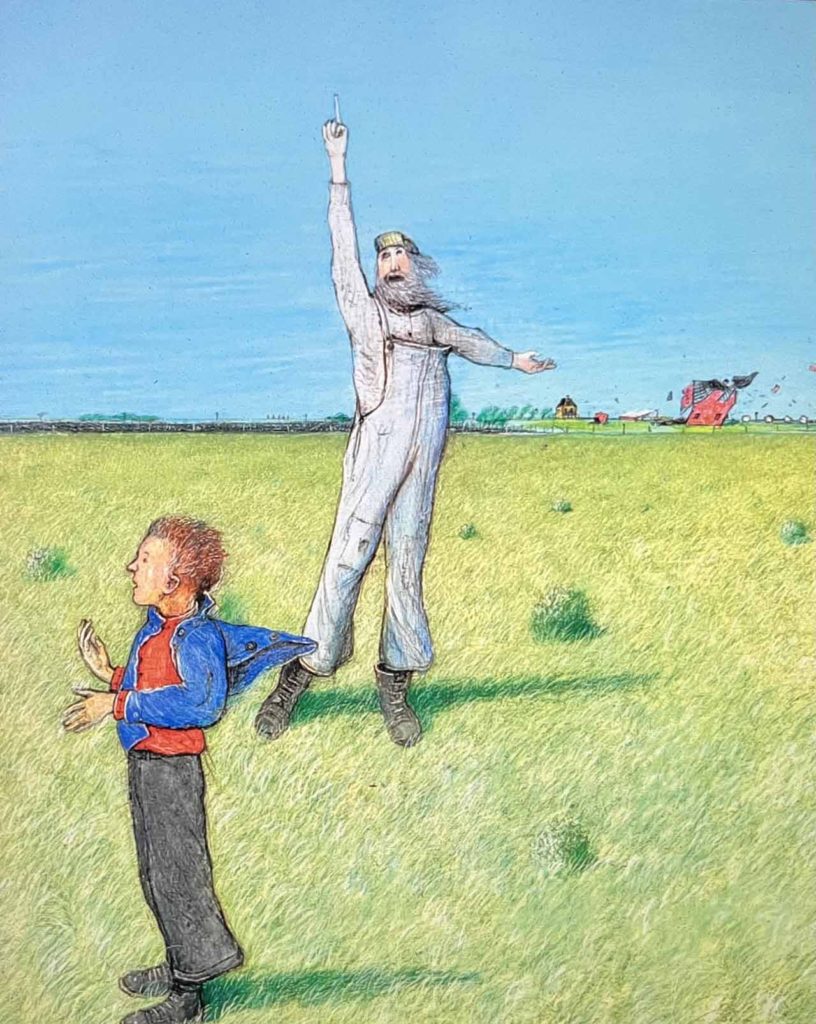
St. Sammy and Brian: St Sammy calling down the wrath of the Lord to smite Bent Candy's new red barn. Illustration by William Kurelek from 75th Anniversary Edition of Who Has Seen the Wind
Saint Sammy and Brian: Saint Sammy calling down the wrath of the Lord to smite Bent Candy’s new red barn. Illustration by William Kurelek from the 75th Anniversary Edition of Who Has Seen the Wind. Available from Freehand Books.

JAMES

So, I got the 75th-anniversary edition of Who Has Seen the Wind out of the Calgary library and it’s a very beautiful book. It came out last year. Has beautiful illustrations. The typeset. The cover. The paper that you use. It’s really just a work of art. And I came across a passage early in the book where he’s describing Brian lying in his bed trying to fall asleep.

“For a long time he had lain listening to the night noises that stole out of the dark to him. Distant he had heard the sound of grown up voices casual in the silence, welling up to almost spilling over, then subsiding. The cuckoo clock had poked the stillness nine times; the house cracked its knuckles, the night wind stirring through the leaves of the poplar just outside his room on the third floor strengthening in its intensity until it was wild at his screen.”

And that’s just beautiful and that reminded me of my own childhood and being in bed listening to the sounds of the house before falling asleep, and I know this is probably an impossible task, but do you have a favourite passage? Is there a passage you could select from your father’s writing that is for you perfect?

ORM

There are so many. I was thinking about Who Has Seen the Wind and the last three pages of Who Has Seen the Wind – is a wonderful prose poem. And in fact, when he was writing that he had his Bible open at Ecclesiastes and he was trying to catch the rhythms and pauses and repetitions of Ecclesiastics. It’s a very significant passage for me because I can remember standing in the High River Cemetery when we buried my father and that was the passage that I read from as part of our family ceremony.

But there’s one passage from How I Spent My Summer Holidays which is kind of a companion novel to Who Has Seen the Wind. You can imagine Brian, now grown up and going into adolescence. How I Spent My Summer Holidays at the human level is a much darker book than Who Has Seen the Wind. But there’s a scene right at the beginning where Hugh the narrator, who’s in his 70s, has gone back to his prairie town roots and he says,

“As I walked from Government Road toward the Little Souris, the wind and the grasshoppers and the very smell of the prairie itself – grass cured under the August Sun, with the subtle menthol of sage – worked nostalgic magic on me. These were the same bannering gophers suddenly stopping up into tent-pegs, the same stilting killdeer dragging her wing ahead of me to lure me away from her young; this was the same sun fierce on my vulnerable and mortal head. Now and as a child I walked out here to ultimate emptiness, and gazed to no sight destination at all. Here was the melodramatic part of the earth’s skin that had stained me during my litmus years, fixing my inner and outer perspective, dictating the terms of the fragile identity contract I would have with my self for the rest of my life.”

And I just love that prose that is so rich in detail. And my sense of the three most significant novels that he wrote are Who Has Seen the Wind his first novel, The Vanishing Point, and How I Spent My Summer Holidays. Those are books that will last, I think.

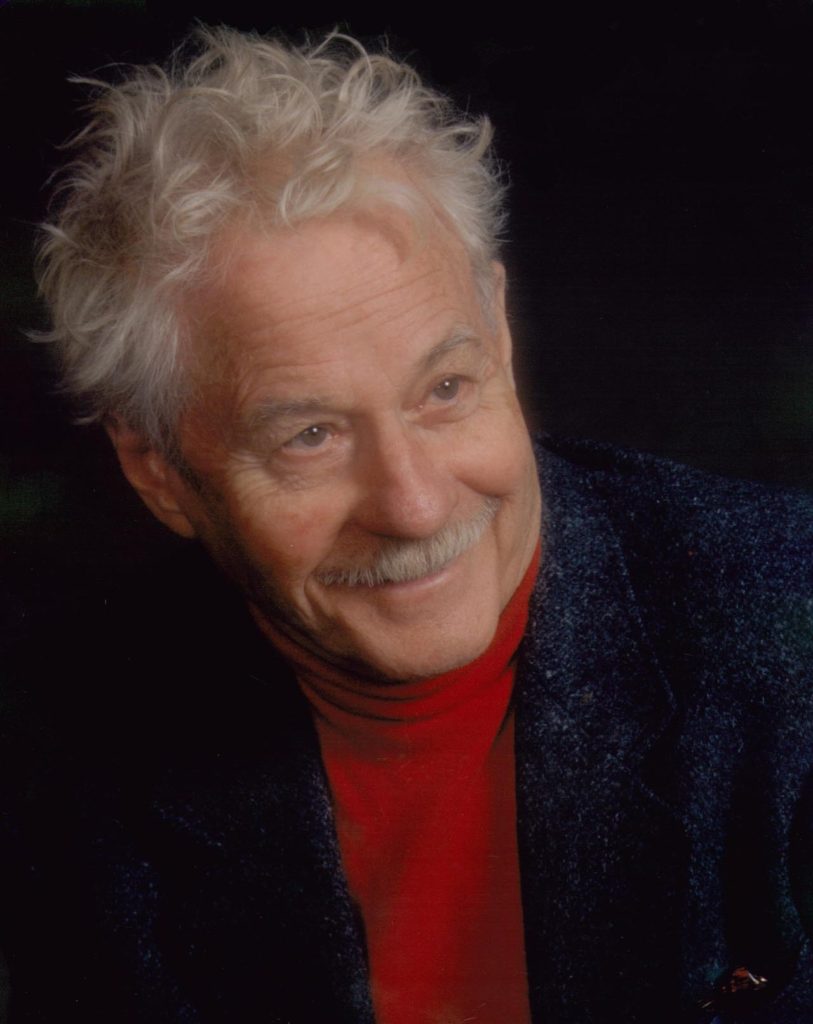
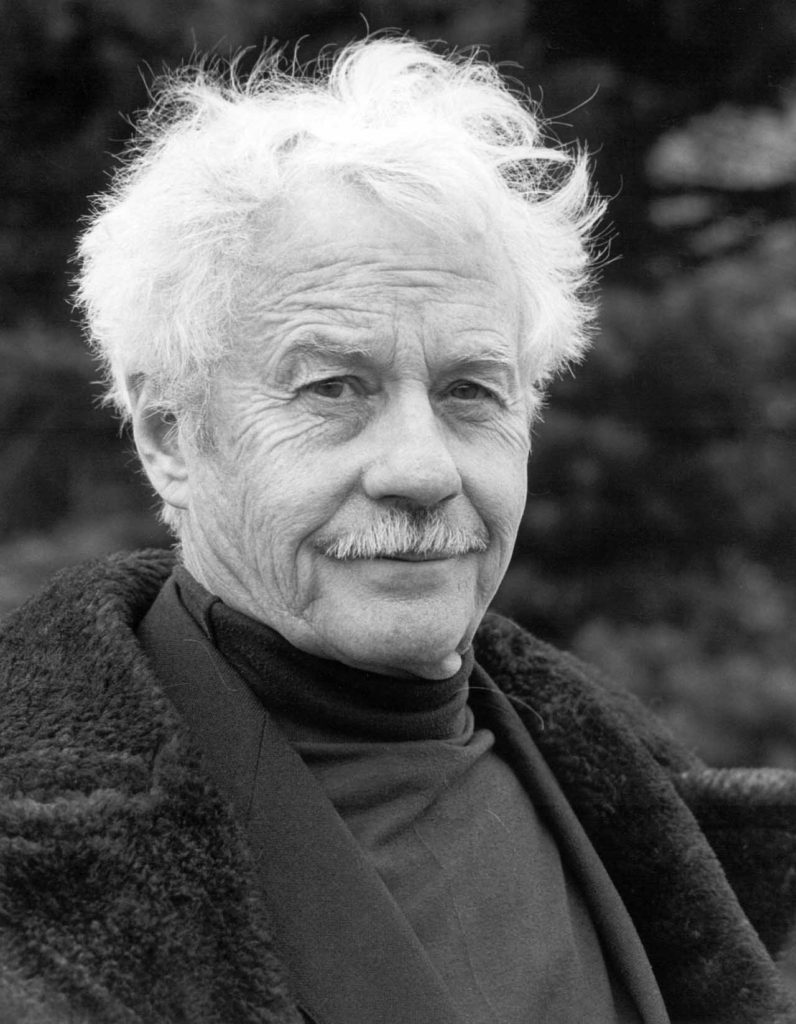
W.O. Mitchell

JAMES

I know it’s hard to sum up the life of a man in a short interview, after all, you and Barb have written a two-volume biography about your father. But how would you describe your father, the writer, the public person? And then how would you describe W.O. Mitchell, the man – your father?

ORM

The main thing he wanted to write was a story set in the real world and to create characters that interact in a very realistic way in order to explore larger human truths. But he wasn’t just a writer who typed stories that would appear in print. He also was an oral storyteller, and he gave his one-man shows – and he always used to call them one-man shows – because he didn’t give the usual literary readings where someone is introduced and then he reads a passage and takes questions from the audience. He gave one-man shows where he went on stage and he performed. And even something like his Jake and the Kid series on CBC – those are oral narratives. He really drew on the oral storytelling traditions of Western Canada.

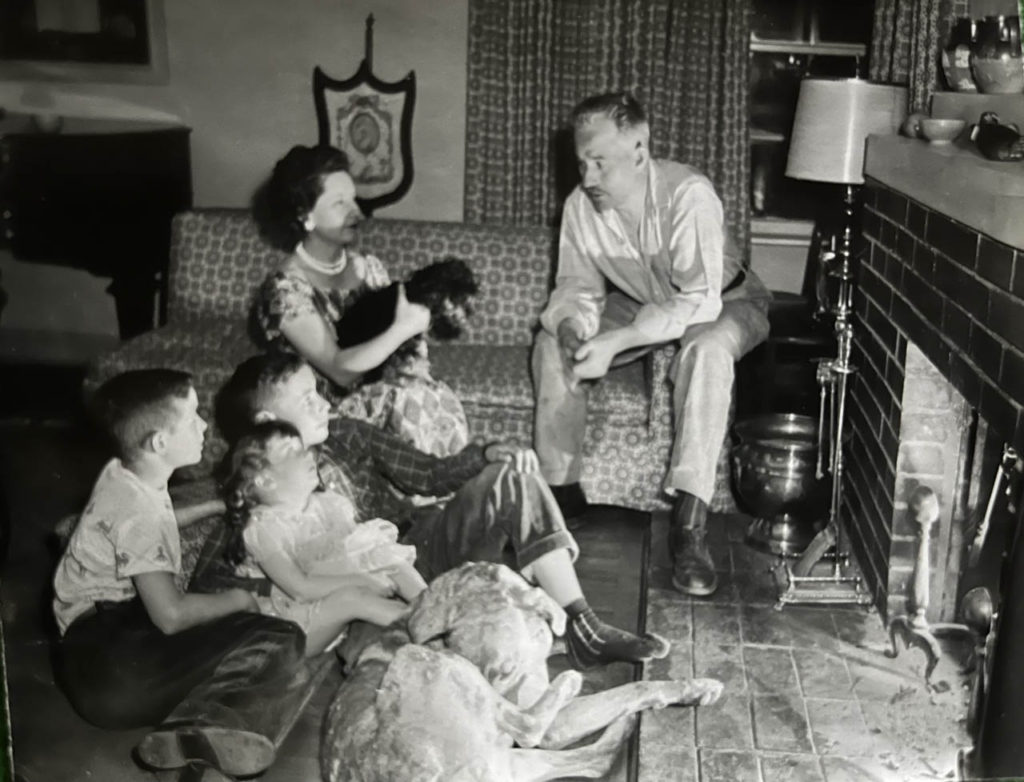
Hugh, Willa, and Orm along with their mother Merna, Demi Tasse their minature poodle, and Beau their Chesapeake Bay Retriever listen to W.O. tell a story. High River 1956

And I suppose that’s one of the reasons why both Barb and I have this feeling – not an obligation – but this feeling that we want to continue that legacy of my father’s writing, but also both Barb and I were very moved on opening night because we felt we had achieved the goal of continuing his legacy as a storyteller on the stage as well.

As a private person, as a father, he really knew the child’s world. Not only did he know how to write about children, but he also knew how to react with them, and how to interact with them. And my brother Hugh and my sister Willa and I were blessed with a father who was sympathetic and who knew that child’s world, and he played with us, and he was really a wonderful parent to have and to grow up with.


Magic Lies: An Evening with W.O. Mitchell – Interview Nathan Schmidt

Nathan Schmidt as W.O. Mitchell in the Rosebud Theatre production of Magic Lies: An Evening with W.O. Mitchell.

Magic Lies: An Evening with W.O. Mitchell is a joyful, fun, and feel-good night at the theatre all brought to life on the Rosebud Theatre’s Opera House stage in a brilliant performance by Nathan Schmidt.  

Based on the works of W.O. Mitchell and penned by his son and daughter-in-law, Orm and Barbara Mitchell, the play weaves together an entertaining and insightful script that travels between Mitchell’s fiction and the story of his life.

Mitchell was a writer, performer, and teacher who is best known for his 1947 novel Who Has Seen the Wind. The novel beautifully captures small-town life and the world as seen through the eyes of a young Brian O’Connal growing up on the Saskatchewan prairie. Mitchell is also known for his Jake and the Kid stories which were popular radio plays during the 1950s. No stranger to the stage himself W.O. Mitchell was a storyteller who performed his one-man shows across Canada and penned several plays for the stage including The Kite, The Devil’s Instrument, and The Black Bonspiel of Wullie MacCrimmon. 

I contacted Orm Mitchell to talk with him about his father’s work and the journey Magic Lies: An Evening with W.O. Mitchell took to reach the stage. You can read that interview by following the link above. I also spoke with Nathan Schmidt to talk with him about the production and the challenges of performing a one-man show.

JAMES HUTCHISON

What was your reaction when you first read the script and knew you were going to be playing W.O. Mitchell?

NATHAN SCHMIDT

I’ve done a couple of W.O. Mitchell shows. I’ve been in Jake and the Kid, and I’ve done The Kite twice, so lots about the script felt familiar, and I had experienced W.O.’s writing. So, I knew that he was funny, but the scarier thing was I thought, “Oh, man, I’ve got to play this real person who people know.” Whereas Daddy Sherry or Jake – those are characters. Those live in the imagination. It’s a different thing when somebody lives in the real world. And Morris Ertman our Artistic Director would say “When we open Magic Lies: An Evening with W.O. Mitchell all the family is going to come and watch the show.” And I was like, “Oh, my gosh. I’m going to have to play the father or the grandparent of these people in the audience.” So that was the most intimidating thing.

JAMES

Even a one-man show needs a director. For this show, it was Karen Johnson-Diamond. How did the two of you work on the play? What was that process like?

NATHAN

As an actor, Karen has done a number of W.O. Mitchell plays. I think she had been in Who Has Seen the Wind and Jake the Kid and she had a love of W.O. Mitchell as well. So, she came in with a lot of love for the stories and a lot of knowledge about W.O. Mitchell. But she’s also just a wonderfully comedic actor and performer, and so her sense of comedy and her sense of how this thing would play was really just spot on. And all of the direction that she offered to me was really helpful to clarify the joke and to clarify how the show moves forward.

What she really loved about the structure of the play is how it follows him through his life from like six to seven when he loses his father – to ten to eleven – to high school – all the way through to Daddy Sherry and misses a bit of the middle, because as W.O. Mitchell says in the story – he’s kind of focused on the first part of life and the end part of life. Those are the concentrated bits that it seemed his imagination was drawn to.

So, we would do a lot of work with linking. Linking how this story moved to this story and then to this story. And W.O Mitchell had a way of making it feel like it was all sort of off the cuff, but in the end, it was all very planned, and he was coming back to stuff he’d set up earlier and he had really worked out how the punchlines worked and how the ideas and stories came around. So, we did a lot of work like that to try and get into the head of the writer and the storyteller. It was a great process. She was wonderful.

JAMES

This is your 50th performance on the Rosebud stage and so I’m wondering when you look back on all the parts you’ve played do some of those characters have a lasting influence on you in any way?

NATHAN

Yeah, there’s a couple that really stick – that I learned a lot about myself from and sometimes that’s uncomfortable. I was in Doubt by John Patrick Shanley and that was a really uncomfortable play for me to be in. It taught me a lot about who I am when I’m helpless and so those things kind of stick. The character teaches you something about who you really are because your instincts as a person are either in conflict with the character or line up with the character in ways that are surprising. That was a big one. I did a Cormac McCarthy play called The Sunset Limited and that was also another hard one.

As W.O. Mitchell says, those characters marked me. And I think the thing I love most is the relationship that characters create with the audience. One of my favourite things I ever got to do was The Drawer Boy by Michael Healey. I was playing one of the farmers. In The Drawer Boy, this young kid comes to hang out at the farm and find out about these two old guys. It was an older character, and I was younger, and I was really worried because it didn’t feel real. I didn’t feel in it, and I was really up in my head about it and nervous, you know,  that I was a fraud or I was going to fail, and then one of the things that actually cinched me into it was – I don’t remember how it came about – but maybe it was offered by Morris and he said, “Here’s a toothpick. Just chew on the toothpick for the whole show.”

And so, I would have these toothpicks in the show, and I just chewed on this toothpick the whole time, and it helped me feel like that cranky grumpy guy in that story. Well, you know, a bit later – after the run, I got a little blue index card in the mail and on it was glued a toothpick, and on the backside, this person had written, “We attended the show and your Morgan was like seeing my grandfather alive again, and he passed away in 80 whatever.” She was so clear that she had an experience of seeing her grandpa that day, and I was able to offer her unbeknownst to me an experience like that. And so, you know that play holds a special place for me too because of that story. It’s quite a lovely play.

W.O. Mitchell reading at Trent University

JAMES

W.O. Mitchell perfected the technique of appearing not to be performing. To be spontaneous and to appear as if he was telling the story for the first time. So, he’d draw his audience in through deliberate mistakes or confusion, he’d say, “Oh, did I tell you? Or I forgot to mention.” And in your performance, you totally capture that sense of spontaneous and unrehearsed storytelling. So much so that my son heard a couple of ladies leaving the theatre and they enjoyed the show, but they remarked that they were surprised that you seemed to lose your place and had to go back. Which means to them it was completely natural. So, to me you’re one of those actors who really achieves a feeling of reality in your performance no matter what part you’re playing. That’s a long speil just to ask, how do you do that?

NATHAN

Morris said this the other day and I think it’s true. I think when we get curious about people then we kind of fall in love with them. And I think it’s true of the characters we play, and I think in the rehearsal there is something about just falling in love with the reality of whoever they are and whatever drives them. You’ve heard it said that one of the actor’s adages is don’t judge the character even if you’re a villain. Villains are motivated by what they believe to be true or good or at least by what is in their best interests.

And I think the actor’s job overall – and W.O. Mitchell did this in spades too – is to collect people. To watch people and to observe what they do and why they do it without judgment and to allow them to steep into you and to become part of you and the energy of being them and how they participate in the world. It’s partly that and it’s partly just having fun. It’s just fun to try and make it as real as possible.

St. Sammy and Brian: St Sammy calling down the wrath of the Lord to smite Bent Candy's new red barn. Illustration by William Kurelek from 75th Anniversary Edition of Who Has Seen the Wind
Saint Sammy and Brian: Saint Sammy calling down the wrath of the Lord to smite Bent Candy’s new red barn. Illustration by William Kurelek from the 75th Anniversary Edition of Who Has Seen the Wind. Available from Freehand Books.

JAMES

You know, it’s interesting that you mentioned fun, and I think W.O. Mitchell is able to capture the feeling of childhood and play and imagination and curiosity. What are your thoughts about the child within you in terms of that living in you as an actor?

NATHAN

I have three kids now and when I watch the four-year-old and two-year-old play for them every game is real. They just believe it. My little guy just thinks he’s the Flash. He thinks he’s the fastest thing going and so he’ll be like, “Watch this Dad.” And he will just run through and he’s like, “You didn’t even see me, did you.” And I remember as a kid wearing my North Star Velcro runners and those are the fastest shoes, and I can run so fast in my North Star shoes because they’ve got shooting stars on them and that makes my feet fast. And I believed it to be true.

Our adult logic brains know it’s not true, but it could be in your imagination. And the audience does the same thing. They all know they’re not seeing W.O. Mitchell. Karen said, “Nobody’s coming to see the actual W.O. Mitchell. They’re coming to have an experience of W.O. Mitchell and if we deliver it in a way that doesn’t give them any reason to doubt too much – then the audience will let their imagination see me as him.” And so, you know, I think our imagination is a remarkable and amazing gift, and I think as creatives we may access it a little bit more at times, but it’s there for everyone. They just have to access it.

JAMES

This is storytelling at its simplest and best. One actor. Minimal set. What is it like for you as a performer doing a one-man show? How do you create that connection with your audience?

NATHAN

I’ve done a number of one-person shows now and it gets to be a lonely room as opposed to having one or two other people or a group of actors to hang out with. It can be lonely in that way, but the audience really becomes the best friend of the show. And especially in something like this where it’s such a direct address. The whole point of the show is the relationship of the storyteller to the audience. At the end of the play, W.O. says that this is the thing – the energy of a live audience responding to a story – that’s where it’s at.

And for me, that is where it’s at. I love that relationship. I’m always curious about it and excited about it. Sometimes puzzled by it, you know, sometimes it lands really well, and people just explode with laughter and sometimes they don’t, and you can’t put together all of why that is, but people get to be who they are and so it’s a really lovely sort of bond that I’ve come to love about performing. And that’s the amazing thing about storytelling in theatre. And at the end of the play he says,

“You know…the energy of death lies behind everything I’ve written—it’s death and solitude that justify story telling. Telling stories draws us human aliens together in the mortal family, uniting us against the heart of darkness, defending us against the terror of being human. Writing’s a lonely act—like playing a dart game with the lights out. You have no idea whether your darts are coming anywhere near the bull’s-eye. But this (open handed gesture to audience)…this dilutes the darkness, gives me what all stage performers love—that immediate thrust of a live audience responding to story magic. (Looking out to audience, grins). We were flying tonight!”