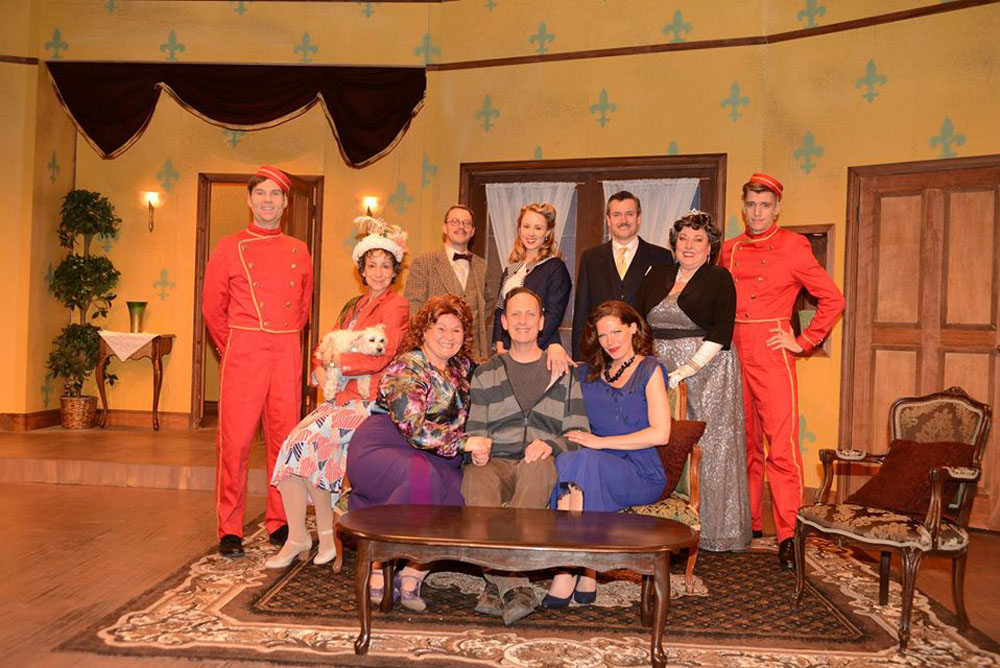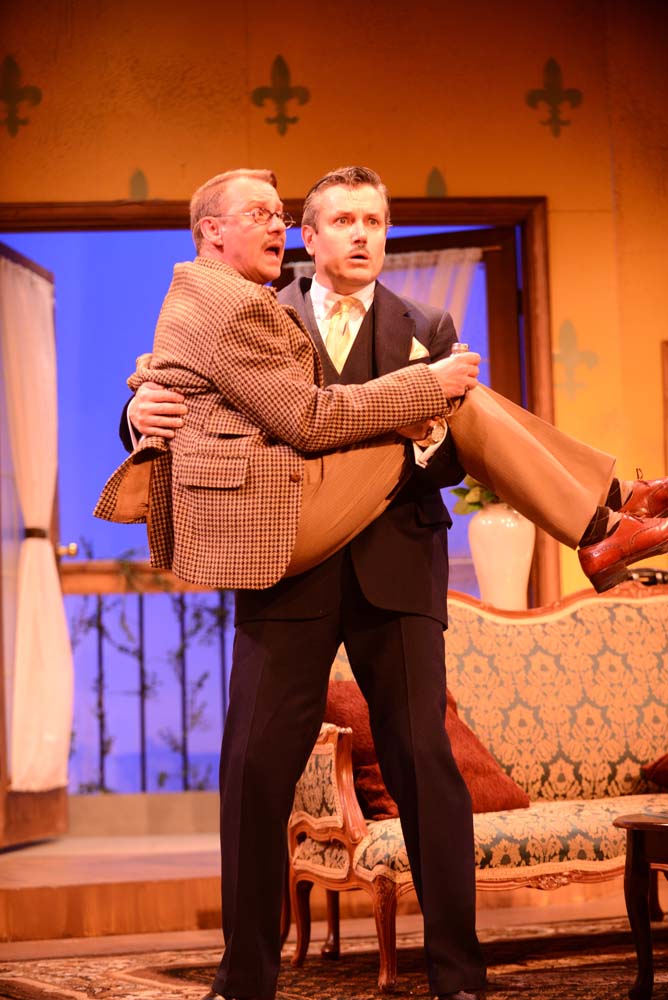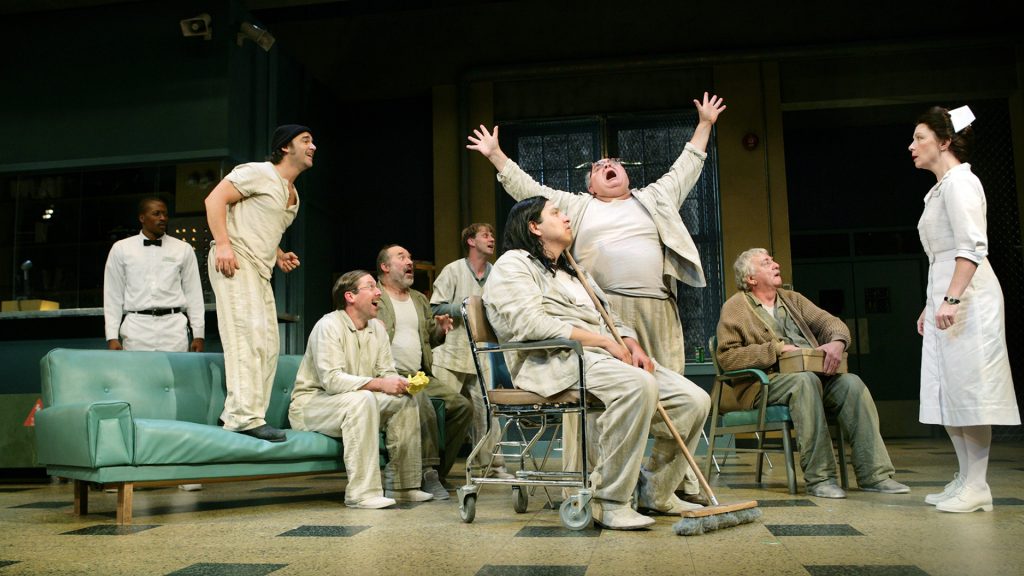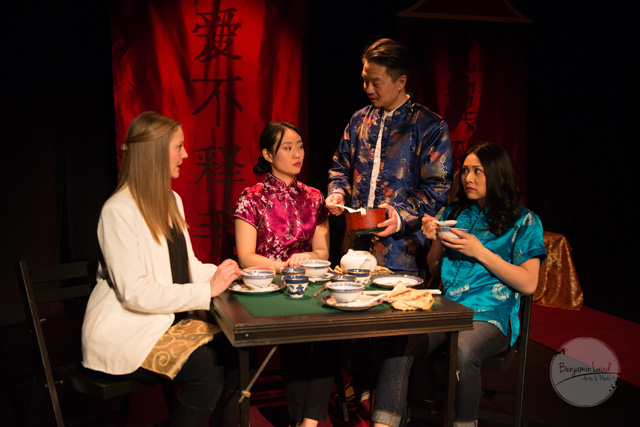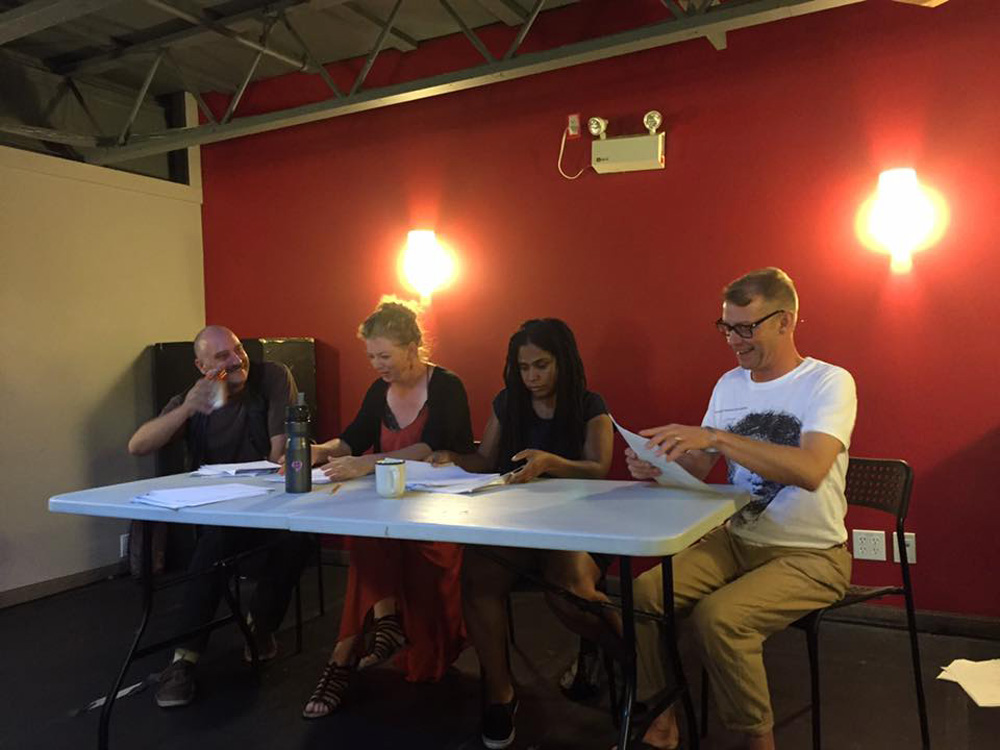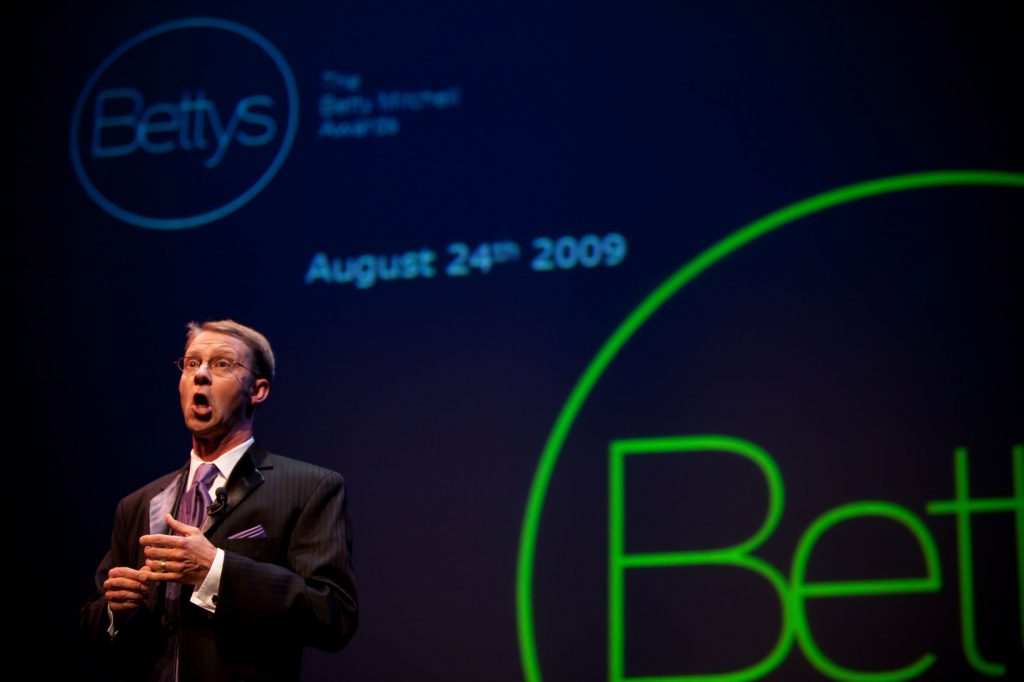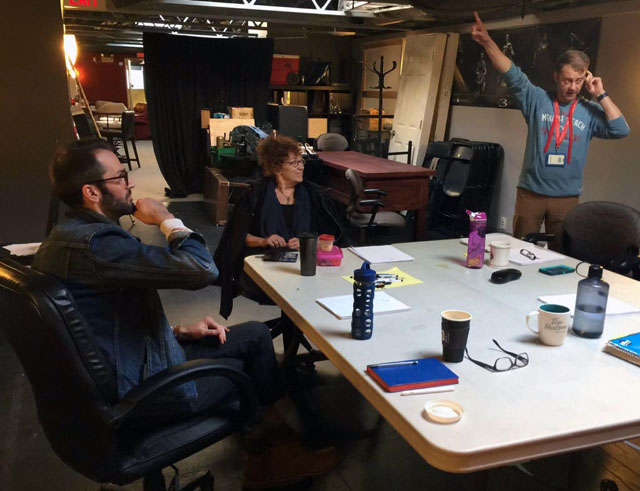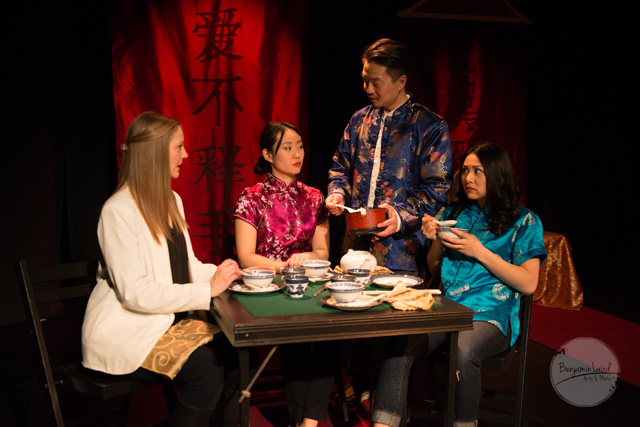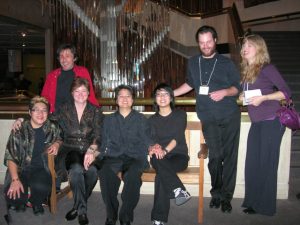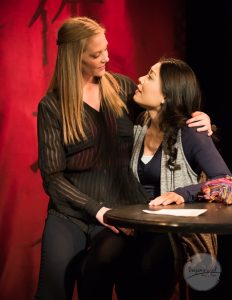
I guarantee you there will be drama! Comedy too, I’m guessing. And cake. What more could you ask for. The Alberta Playwrights’ Network is about to celebrate its 40th Anniversary and you’re invited to join the party in Calgary on Saturday, September 13th at the Confluence, and in Edmonton on Saturday, September 27th at the Hazeldean Community Hall. Pay what you can tickets and event details can be found on the Alberta Playwrights’ Network website or by checking out their Facebook page.
***
In September 1985 Alberta playwrights Stephen Heatley, Conni Massing, Lyle Victor Albert, and Raymond Storey with funding from Alberta Culture founded the Alberta Playwrights’ Network. APN strives to be a resource for playwrights at any stage of their career and has helped in developing well over 3000 plays and assisting countless theatre creators in their artistic journey. At APN you’ll find a small, dedicated team that believes “every story deserves an audience, and every voice deserves to be heard,” and they work everyday to make sure that Alberta playwrights have a place where their work can be supported and showcased.
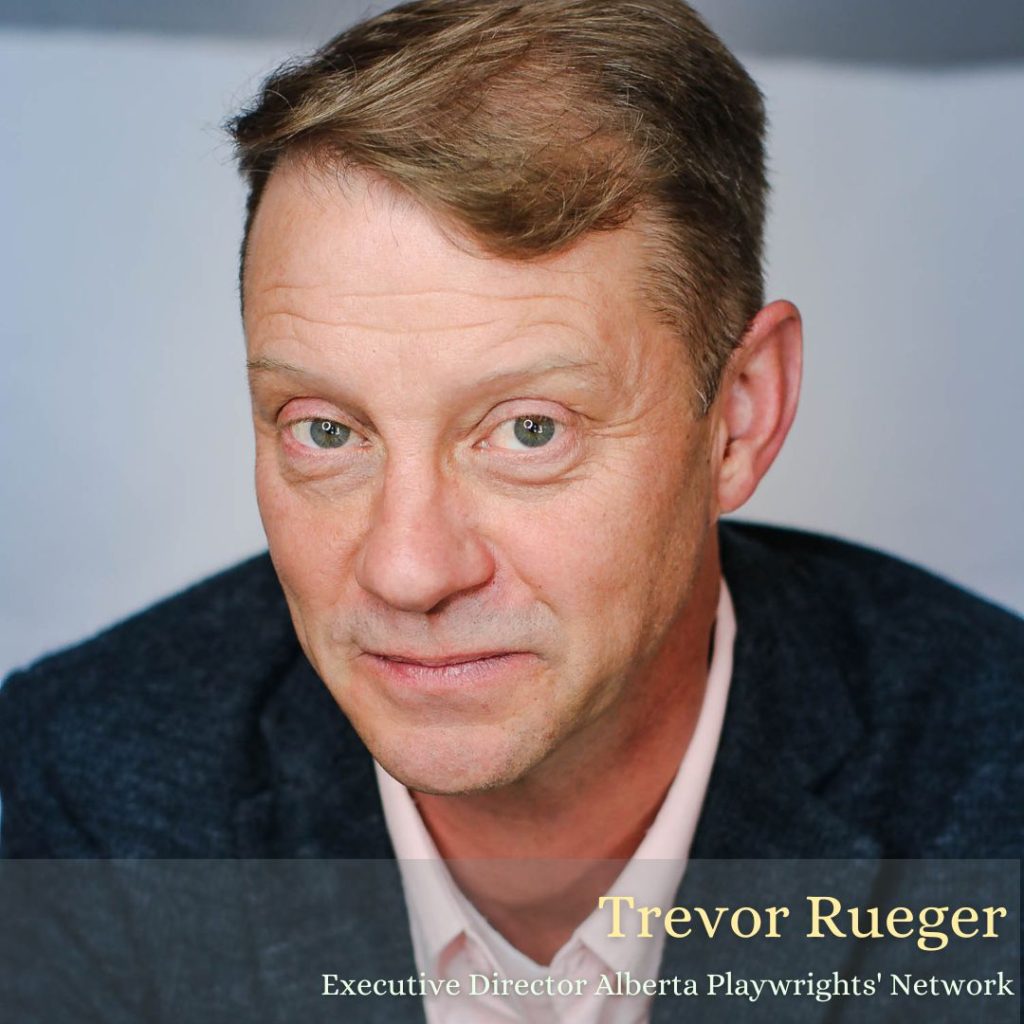
I contacted the Executive Director of APN Trevor Rueger to ask him about the 40th Anniversary Celebrations, the history of APN, and how the organization continues to support the work of Alberta playwrights and theatre makers.
JAMES HUTCHISON
Trevor you’ve worked at APN as the Executive Director since 2007. I’m curious to know how the organization has evolved over that time and how you as executive director have responded to the changing theatre scene and the needs of the playwright.
TREVOR RUEGER
One of the biggest discoveries I had in the early years of my tenure was that the organization is a “one-size-fits-one” organization. Our work and the support that we can provide writers is much more fulsome when we gear it to the individual rather than trying to provide programming for groups of writers. The RBC Mentorship Program is a great example of this. While it is a program for a group of writers, we take the needs of each individual and try and pair them with a mentor that has experience in that genre or style of production. While we have “programs” that we offer, those are really just generic markers. What we offer is something tailored to the individual. As an organization we try to start every conversation with every new writer who approaches us with “What do you think you need?” rather than “Here’s the program you fit into”. “Bespoke” is one of those trendy words that people use, but it is the best way to describe the philosophy of our programming at APN.
JAMES
One of the things I know you mentioned to me some years ago was the importance of making sure that everyone feels welcome and everyone has a right to tell their stories. How has APN worked to create a more diverse and inclusive environment that more accurately reflects the community in which we live.
TREVOR
In about 2012 a board member who worked for an oil and gas company that was undergoing diversity training asked me what our policies were regarding DEI. At the time I responded with some defensiveness – “Our organization is open to anyone who comes to us.” While this was true as an internal policy, we realized that we weren’t doing a very good job of getting that message into the community. So that was where we started. We committed to outreach and attempting to reach to underrepresented communities. We committed to learning and committed to expanding our casting. We continue to learn with the understanding that it is an iterative process, which is to say, we’re not always going to get it right, but when we get it wrong, we learn from it.
There are other organizations that are better poised to support underrepresented communities, and APN has made a commitment to support them in any way that we can. We have partnered with SkirtsAFire which is a multi-disciplinary arts festival that empowers women, Workshop West Playwrights’ Theatre’s Indigenous Playwrights’ Circle, NextFest an annual youth arts festival, and most recently Chromatic Theatre’s Playwrights’ Unit.
One of the programs that we continue to try and find support for is our IBPOC Writer’s in-Residence program. In 2023, with the support of the Edmonton Arts Council, we were able to commission three IBPOC writers and pay them to create new works. It was a great program that we hope we can find support or sponsorship for in the future.
Of course, there is more work to be done, and we are committed to that work.
JAMES
Okay, I’m curious. What makes a good comedy? Because we’ve all seen lots of plays and some are funny and some are hilarious and some are satires, and some are romantic comedies, and some are farces, but they’re all meant to make us laugh. Is there any quality that really defines what makes a great comedy.
TREVOR
Character!! And a character that has a strong want or desire and will do anything to reach that goal.
Comedy is about subversion and surprise. The comedies that really work, are those plays that set up a situation that we all understand and then find a way to subvert what an audience expects.
Michael Frayn’s “Noises Off” – specifically ACT TWO – is a clinic in comedic writing. The scene that the audience sees is backstage during a performance of a farce, by a group of actors who have been on tour for far too long and hate each other. We see them attempting to injure, interfere, seek revenge on each other, while trying to make sure that the show goes on for the imagined audience. There is virtually no dialogue – it is all the characters pursuing their goals in silence. When you read it, it feels like it is a series of physical gags strung together. However, when it is staged correctly, with the actors understanding what their character wants – it truly comes together as a fantastic comedic visual story for an audience.
JAMES
We can’t talk about comedy without talking about tragedy. Two sides of the same coin traditionally. And iconic symbols for the theatre that most people are familiar with. So just like I was asking about comedy are there particular qualities that make a great tragedy? Is it something about the characters or the premise or the structure.
TREVOR
When I teach my introduction to playwriting (Prologue) for people who have never written in the genre, we spend the bulk of the course discussing the building blocks of dramatic writing with a focus on starting the process with character. Character is the key to drama as well as comedy. Plays are about people – people are complex. I find that beginning playwrights don’t spend enough time investigating their characters before they begin the process of giving them things to say. So, for me what makes a great drama is a character that is rich with inner conflict. If a character has inner conflict, they will struggle on their journey just as we all do in real life.
Around 2001, I had written a TYA play for Shadow Productions. My then seven-year-old niece attended a performance. It had crazy characters, colourful costumes, antics. I asked her afterward what her favourite part of the play was. I was expecting her to comment on the antics because we all thought it was funny – the characters being goofy for the sake of being goofy. In fact, her favourite part was “I liked the parts where the characters had to figure something out.” That has stuck with me since. That’s what makes good drama.
JAMES
One of the major programs APN has is the Sharon Pollock Award. Tell me how that started and how it became the Sharon Pollock Award and not just the Alberta Playwriting Award and what is the significance of the competition.
TREVOR
The Alberta Playwriting Competition was started in 1965 and was operated at that time by Alberta Culture. It was one of the earliest competitions in Canada specific to playwriting. In the early 2000’s, the Alberta government was going to cancel the competition. APN stepped in and took over the administration and execution of the competition. To this day, it remains one of the longest, continually running competitions of its kind in North America. It has been a springboard to the careers of the many playwrights who have been recognized by the competition.
After the passing of Sharon Pollock in 2021, I reached out to the Pollock family and asked if we might recognize Sharon and her contribution to the playwriting community in Alberta by changing the “Grand Prize” to the “Sharon Pollock Award”. Sharon was not only an amazing writer herself, but she was also incredibly generous in sharing her gifts and wisdom in the mentoring of new and emerging playwrights. She was the president of the board at APN before taking over the operations as the Executive Director in the late 1990’s. Sharon was truly a champion for theatre and playwriting in Canada and it seemed like a way to keep her legacy alive.
JAMES
Let’s say I’m an aspiring playwright. Maybe I don’t even have a clue about where to begin or maybe I’ve managed to hammer out a first draft and I want to take it to the next level. In what ways does APN support the playwright’s journey helping them to work towards creating a finished play.
TREVOR
We meet every playwright where they are at in their creative journey. If you have never written, we have supports for you to understand the genre and to give you a place to begin. If you’ve completed a draft, we have services and supports to provide you with feedback, mentorship, script development, and professional development. If you are a seasoned playwright, and you know what you need for your process, we’ll meet you there and provide you with the resources you need to get to the next draft. The creative process is ethereal and different for everyone. We strive to meet each playwright where they are and to give them the support they need to get to the next stage of their creative journey. Once the work gets to the point of completion, we also assist playwrights in the process of getting the work into the hands of producers. Our services and supports cover the gamut of the creative process – from inspiration to conception to creation to advocacy.
JAMES
There are the practical aspects and programs you have but anytime someone creates art they often feel vulnerable because it’s a bit nerve wracking to put yourself out there. That’s where having a supportive community helps and I’d like to know how APN fits into the Alberta theatre community and how do you work to integrate the organization with the various individual artists and professional and amateur theatre companies that make this province home.
TREVOR
It’s in the name – NETWORK. In my tenure, I’ve worked hard to meet the other organizations, producers, presenters, theatre companies not just in the province, but across the country. We’ve worked hard to cultivate a strong reputation not just for our programming and supports to playwrights, but also as a recommender of work and as the flagship of play development centres in this country. We really rely on word of mouth for our organization and any time we can ingratiate ourselves into a conversation, be it with playwrights or with producers, we take that opportunity to see if there is some synergy that can be created. I’m terrible at opening nights or at parties, because the moment I overhear someone say “new play” or “dramaturg” I immediately head in their direction.
Where we find ourselves really valuable is by providing dramaturgical resources to indie or community theatre companies who are just starting to work in the play development sphere. They often lack the knowledge of where to start a process, and we can assist them in creating a program which in turn provides opportunities for playwrights.
JAMES
I personally think APN is a wonderful organization and having worked with you I know you’re an amazingly insightful and supportive dramaturg whose ability to break apart and dig into the inner workings of a play offers terrific insights and always gives the playwright plenty of ways to improve the script. Plus, you know how to give feedback in a way that makes it easy to hear. Often in the form of questions. Anyway, what is your own philosophy or approach to working with playwrights and how does that filter out into APN.
TREVOR
Thanks, James. That’s very kind. When I started at APN, I didn’t fully understand the needs of the bulk of the membership. I had worked many times as an actor in readings and workshops at APN and those readings were usually on scripts by established playwrights. After taking the job, I realized that the bulk of the writers who came to us were new or emerging. So, I discovered that I needed to listen to what their needs were and create supports and models to assist them in the best way possible. That bled into my philosophy as a dramaturg, rather than my philosophy of dramaturgy bleeding into my role as Executive Director.
I approach dramaturgy as an audience member. I put myself in the role of the playwright’s first audience. What am I experiencing? What am I taking away from the script? Where did I have questions or become confused? What are the opportunities that are perhaps being overlooked? That final question is the dramaturgical one that I continue to ask myself as the Executive Director – what are the opportunities that are being overlooked? A leadership mentor once asked me “What is it about the organization that gets you out of bed in the morning, not the one that keeps you up at night?” That’s my answer – what are the opportunities.
JAMES
We’ve talked about how the organization has changed over time but how have you changed. What has APN meant for you and your career and the work that you do.
TREVOR
When I was offered the job at APN, my goal was that it was going to be a great credit on my resume towards my ultimate goal of becoming an Artistic Director at a company. As I grew in the job, that changed for me. I discovered that I love working at the ground level – I love getting into a project that may only be a spark of an idea and assisting a creator to move the work forward. I’m way less interested in picking a season and producing a season (and to AD’s reading this – I know there is way more to the job than just that!!!) and much more interested in the creative process. Working on story and craft day after day has changed my process as an actor and a director. Understanding play craft and constantly discussing it with creatives has altered the way I look at a role as an actor and how I read a play as a director. As a young artist, I was only fixated on my work and how I was performing in a role. I now look at all work from the perspective of the audience. What do I need to do to clearly articulate the playwright’s ideas to an audience? What do I need to show them, tell them, communicate to them in order for the playwright’s vision to be realized? I had the opportunity to learn these concepts at the feet of Sharon Pollock, to whom I will always be grateful, but I didn’t really holistically understand these concepts until I began my work at APN.
JAMES
So, tell me about this 40th Anniversary party. I understand you’re having an event in Calgary on Saturday September 13th and an event in Edmonton on Saturday September 27th. How does one go about celebrating 40 years of helping playwrights go from the page to the stage.
TREVOR
Well, that’s an interesting question! So much of the work we do at APN is behind the scenes if you will, that it was a challenge for us to figure out how best to celebrate this milestone. So, we are doing what we usually do. The evening will be a series of reading of excerpts from plays that have had success in the Alberta Playwriting Competition. We will be presenting some Honourary Lifetime Memberships to individuals who have not only supported APN over the years, but who have also made a significant contribution to playwriting in Alberta. And we’ll have live music and hopefully dancing (playwrights do tend to be introverts).
***
In a world where it seems the arts and artistic freedoms are under attack it gives some hope to celebrate the voices of the past and to advocate and support the voices of the future. There have been many changes to the theatrical landscape in the in the past 40 years, but APN has always been the touchstone organization for anyone interested in pursuing the art and craft of writing for the stage.
Celebrate the 40th Anniversary of the Alberta Playwrights’ Network in Calgary on Saturday, September 13th at the Confluence, and in Edmonton on Saturday, September 27th at the Hazeldean Community Hall. It will be an evening of readings, music, cake as well as an opportunity to celebrate world-class local writers and creators, including Eugene Stickland and others in Calgary and David Van Belle and Collin Doyle in Edmonton. Pay what you can ticket and event details can be found on the Alberta Playwrights’ Network website or by checking out their Facebook page.